Carlow Tourism
July 2022 – Ongoing
Background
Through the implementation of this marketing campaign, the Board of Carlow Tourism wanted to achieve a step change in the awareness of the county amongst domestic and overseas visitors, while harnessing the opportunities presented by Ireland’s Ancient East brand.
Carlow sits within the Ireland Ancient East brand, with an offering that strongly complements the brand principles and ethos.
Objective
A new branding strategy was undertaken by Carlow Tourism in 2021 and launched by media personality Kathryn Thomas in conjunction with the re-opening of the sector on June 2nd.
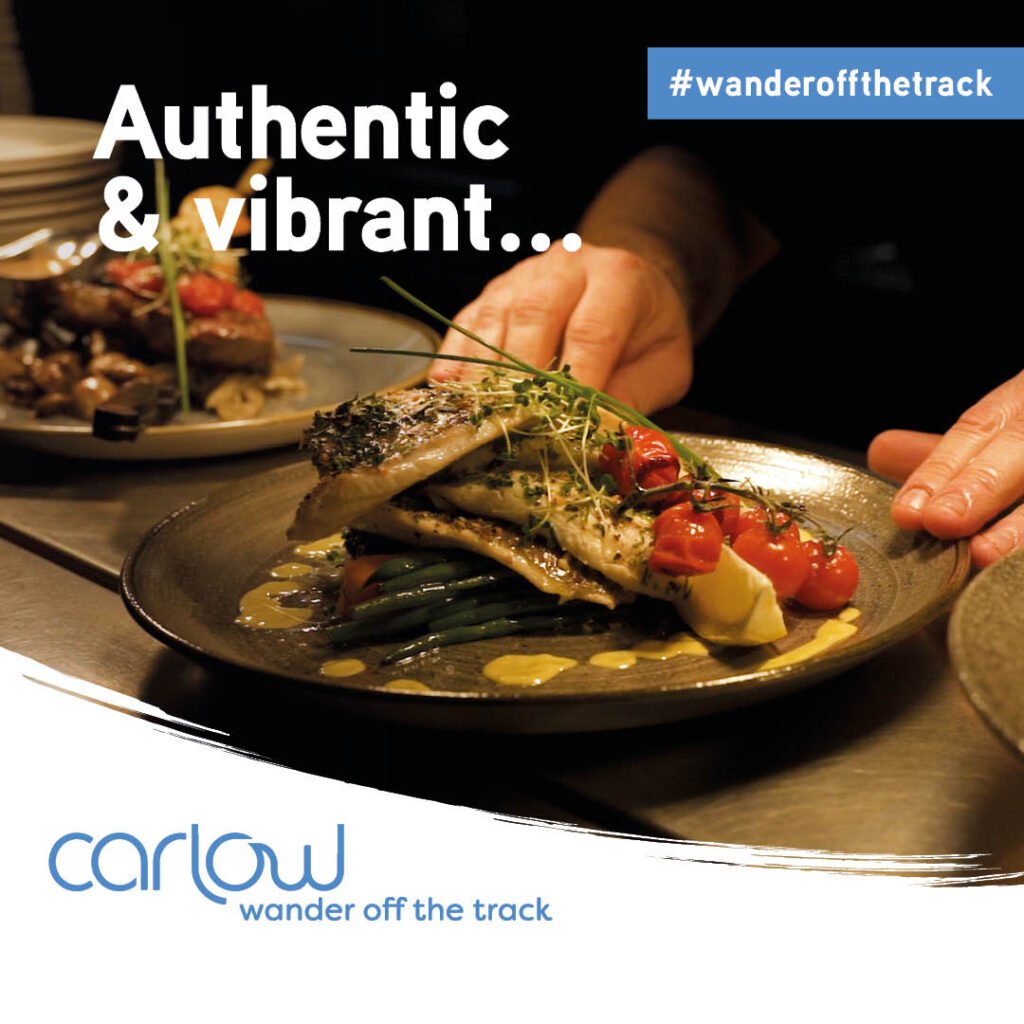
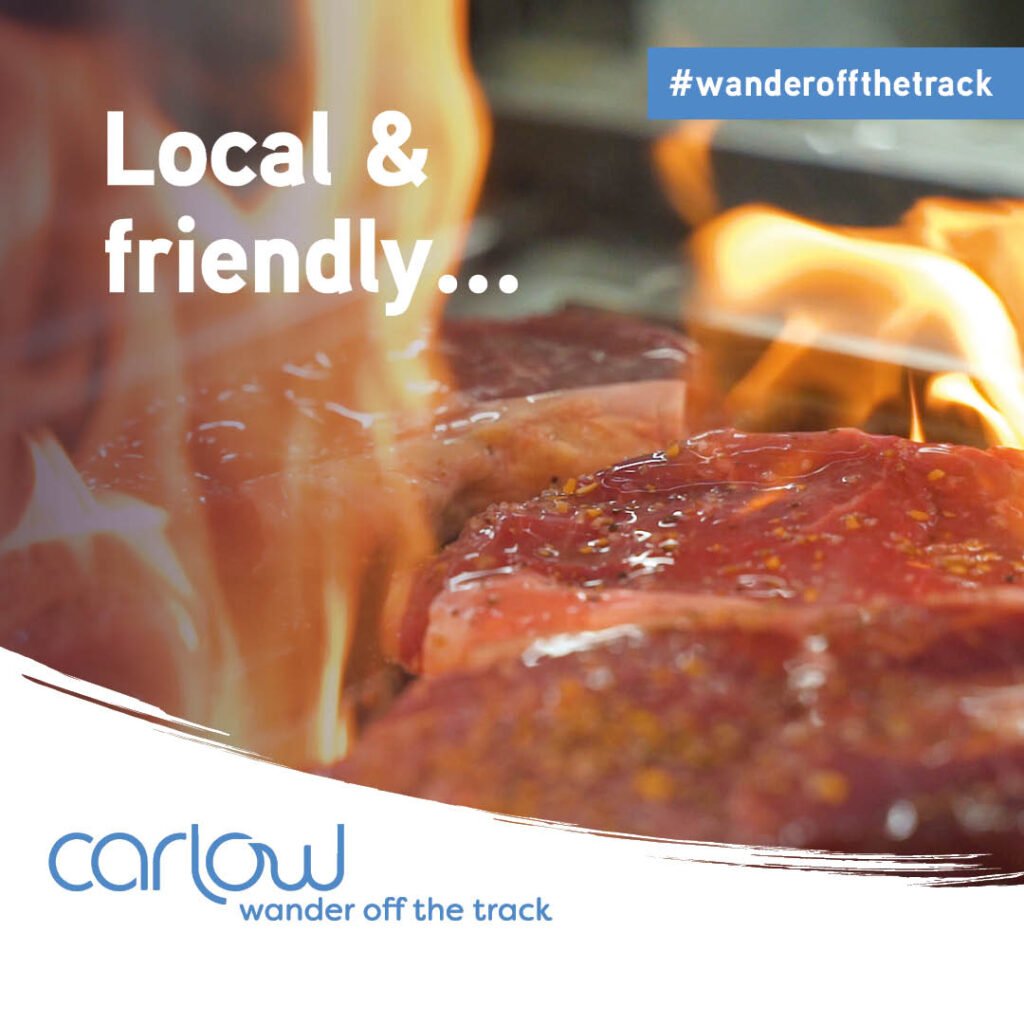
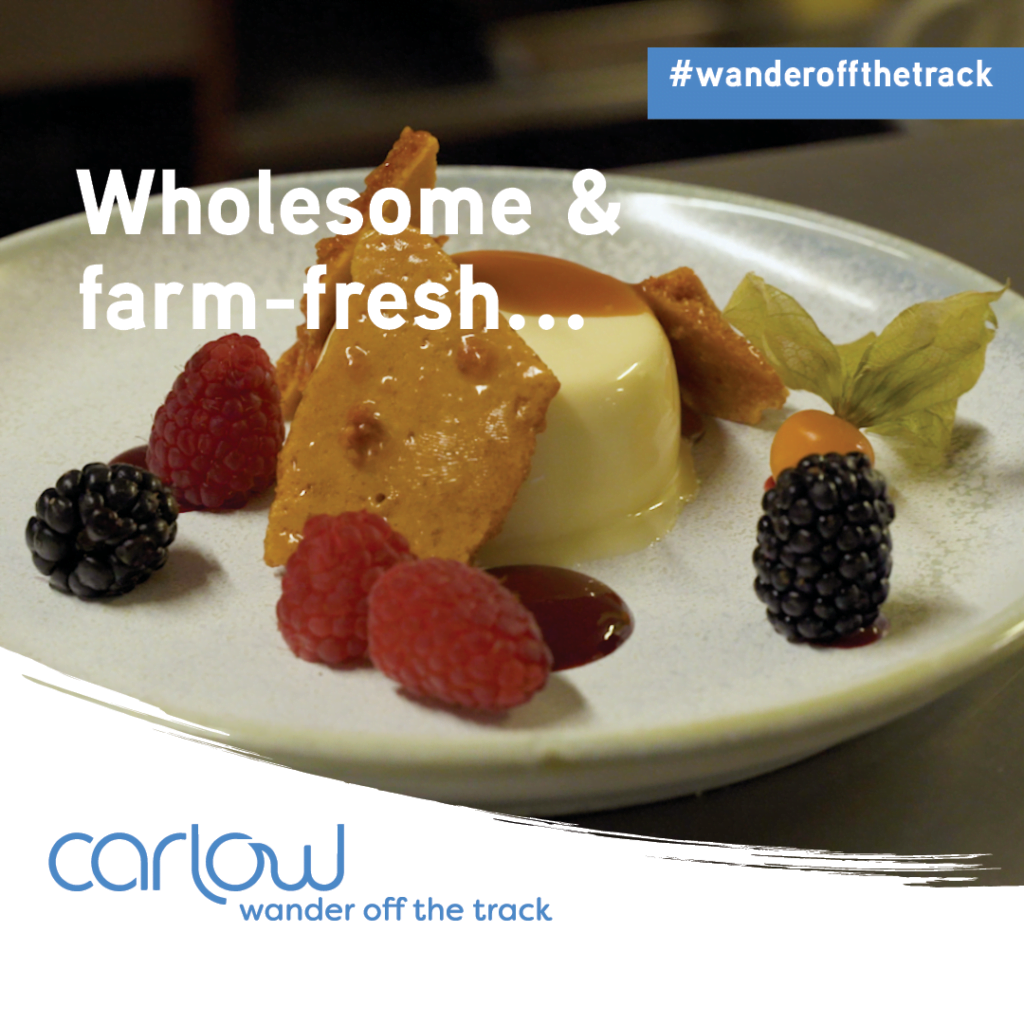
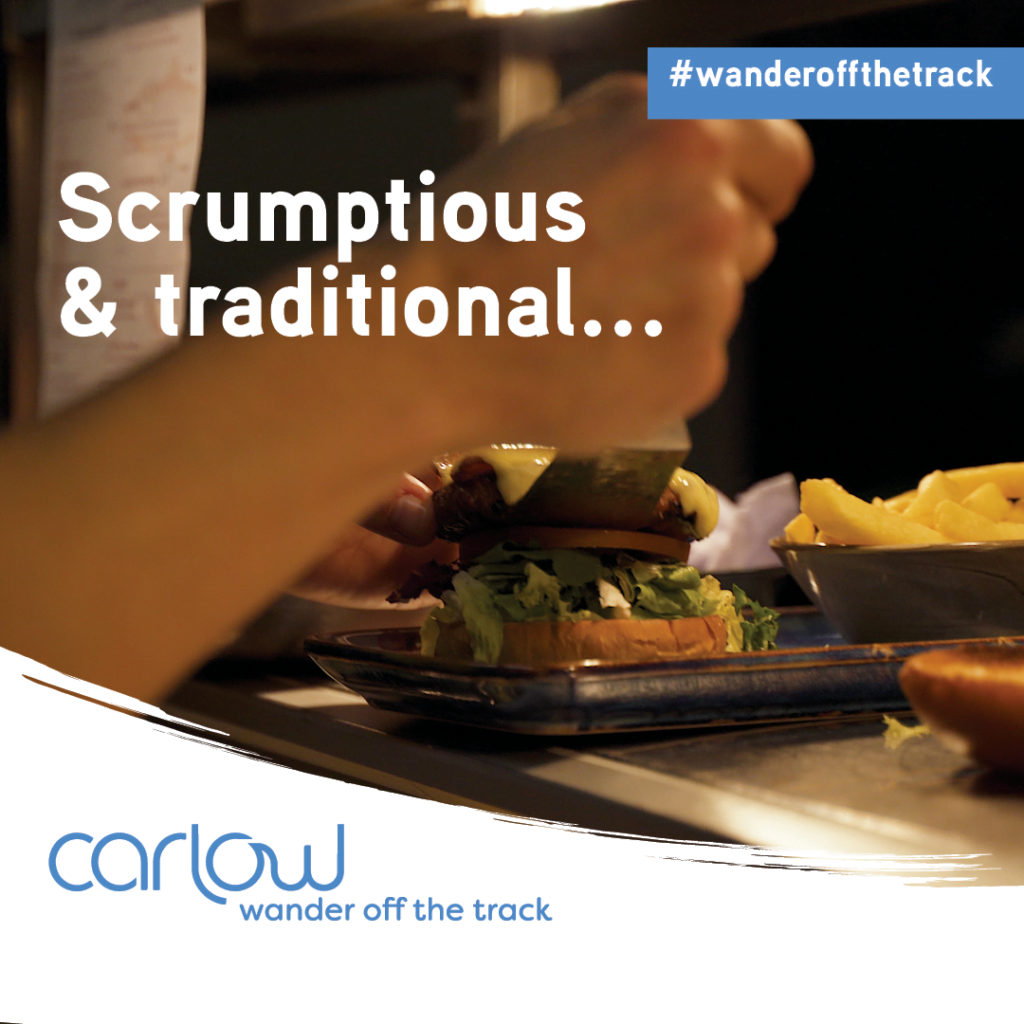
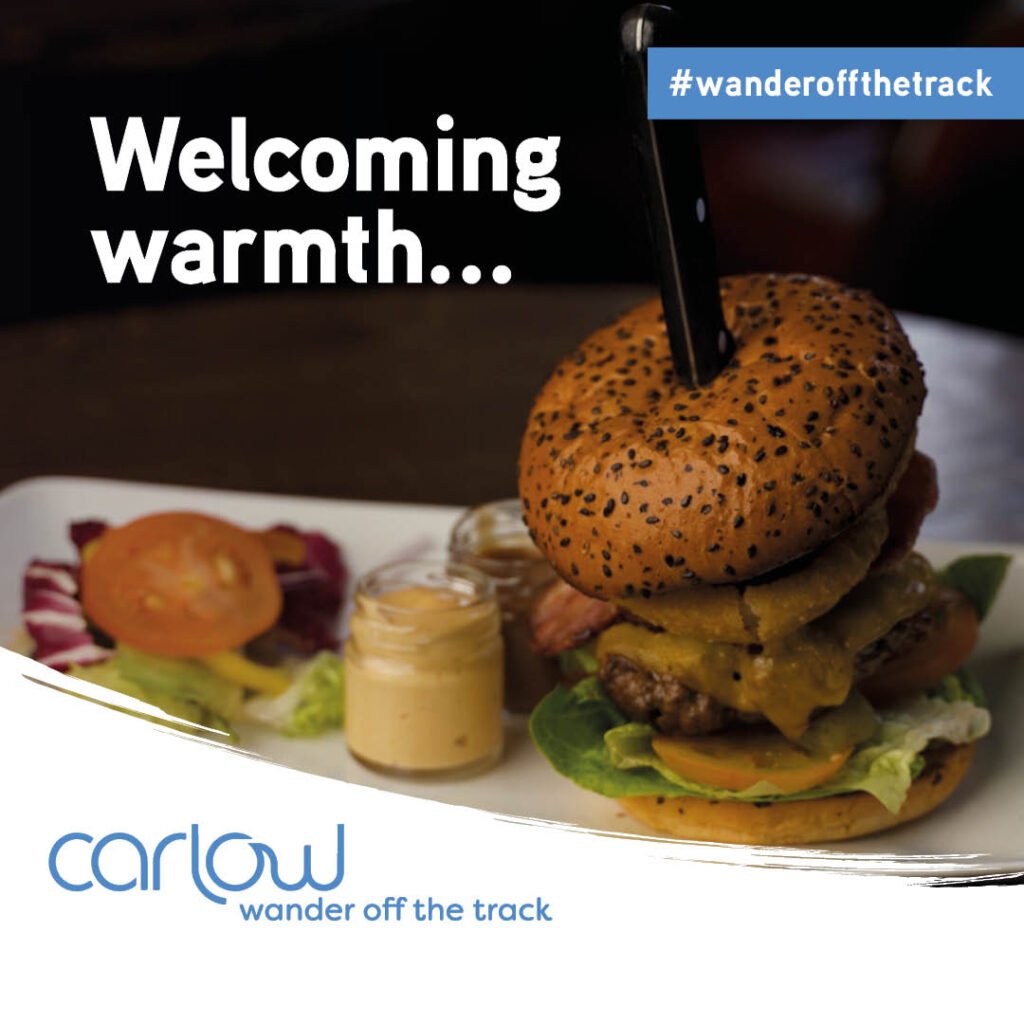
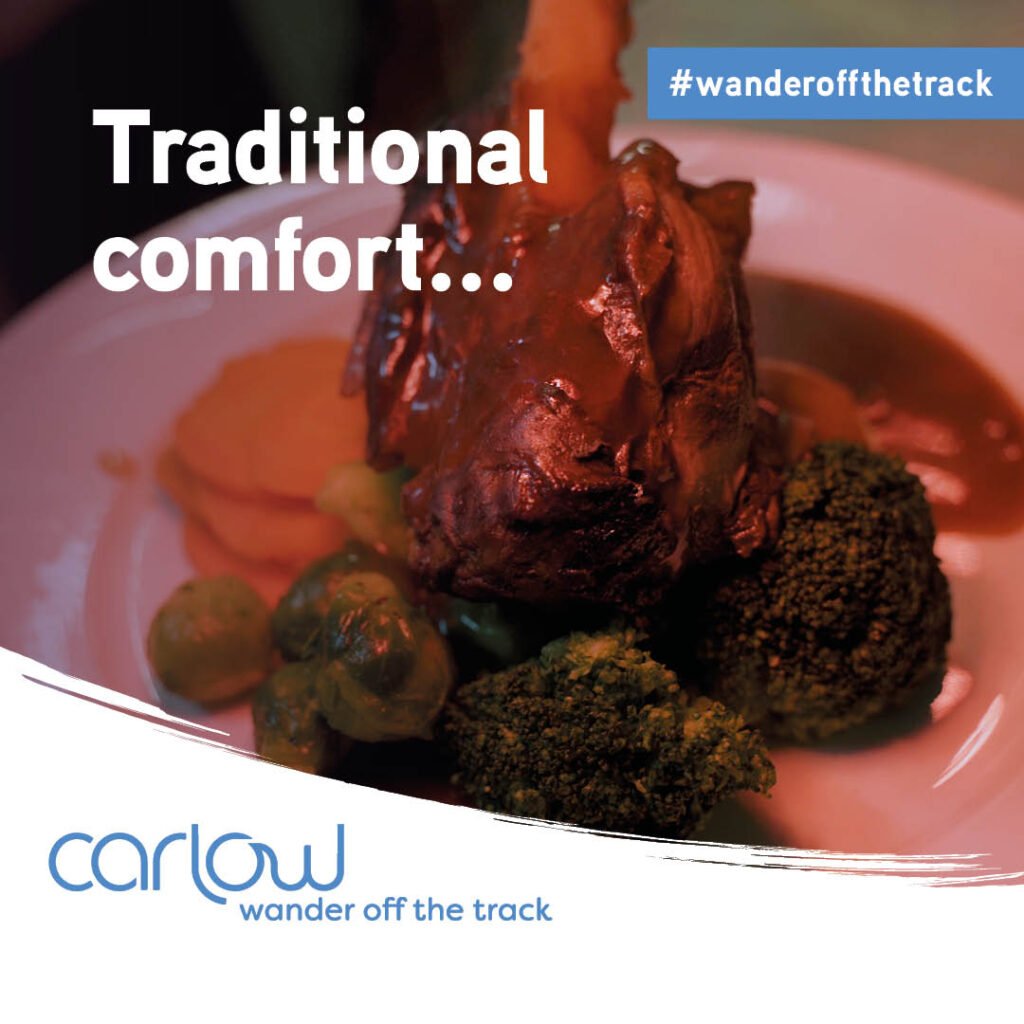
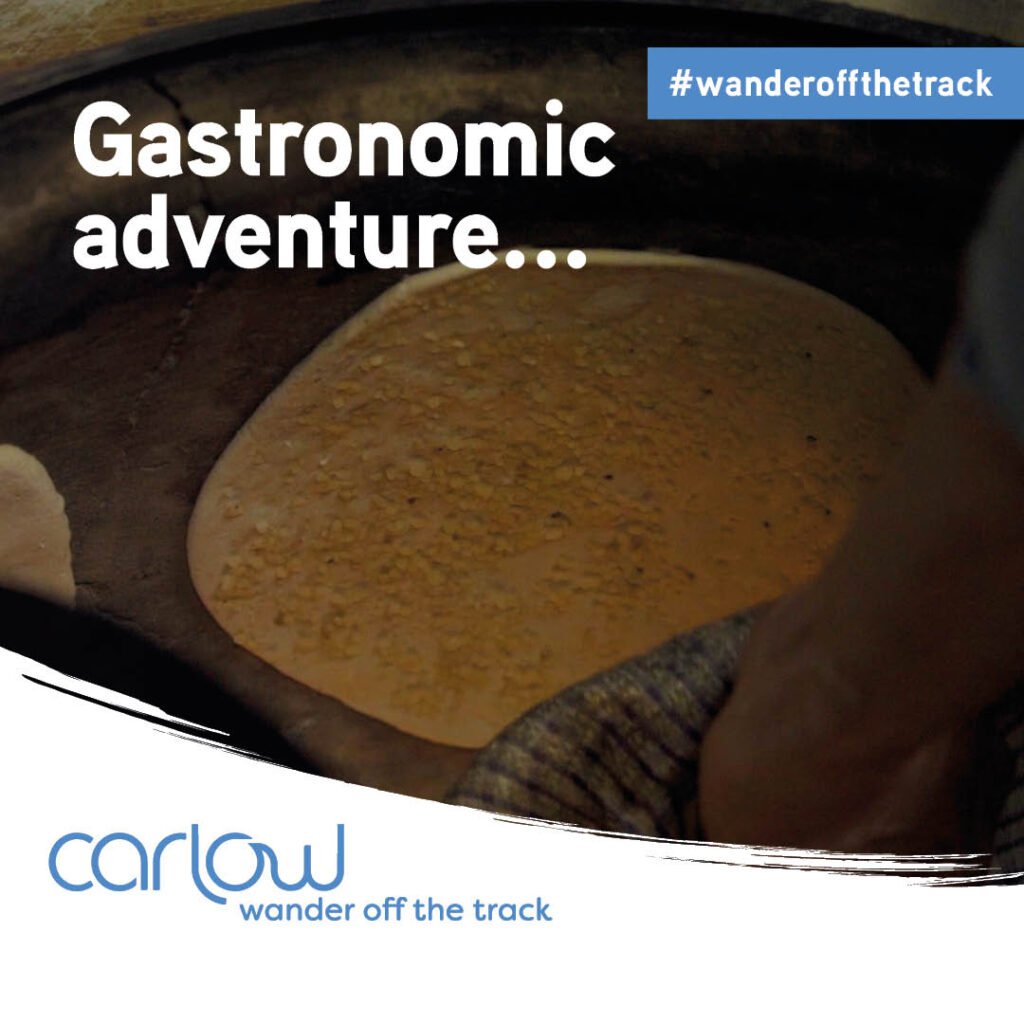
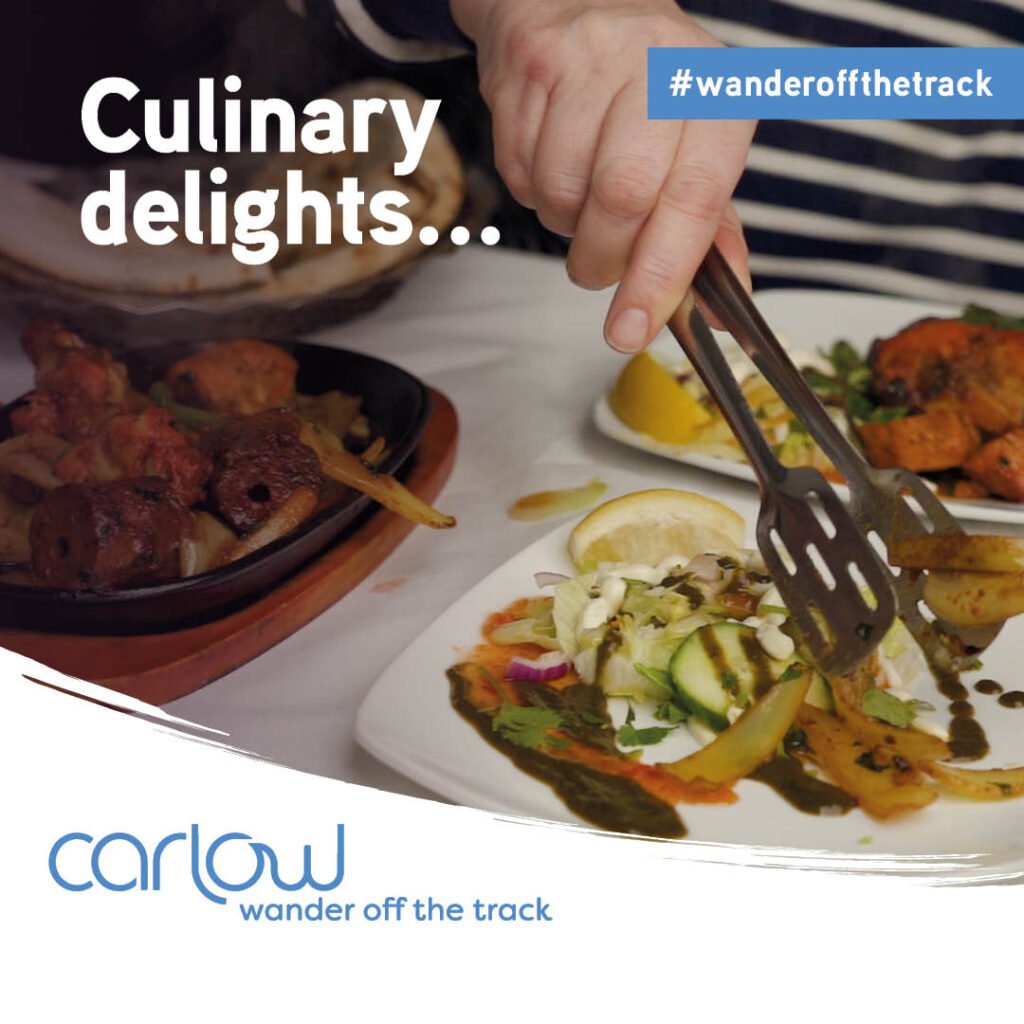
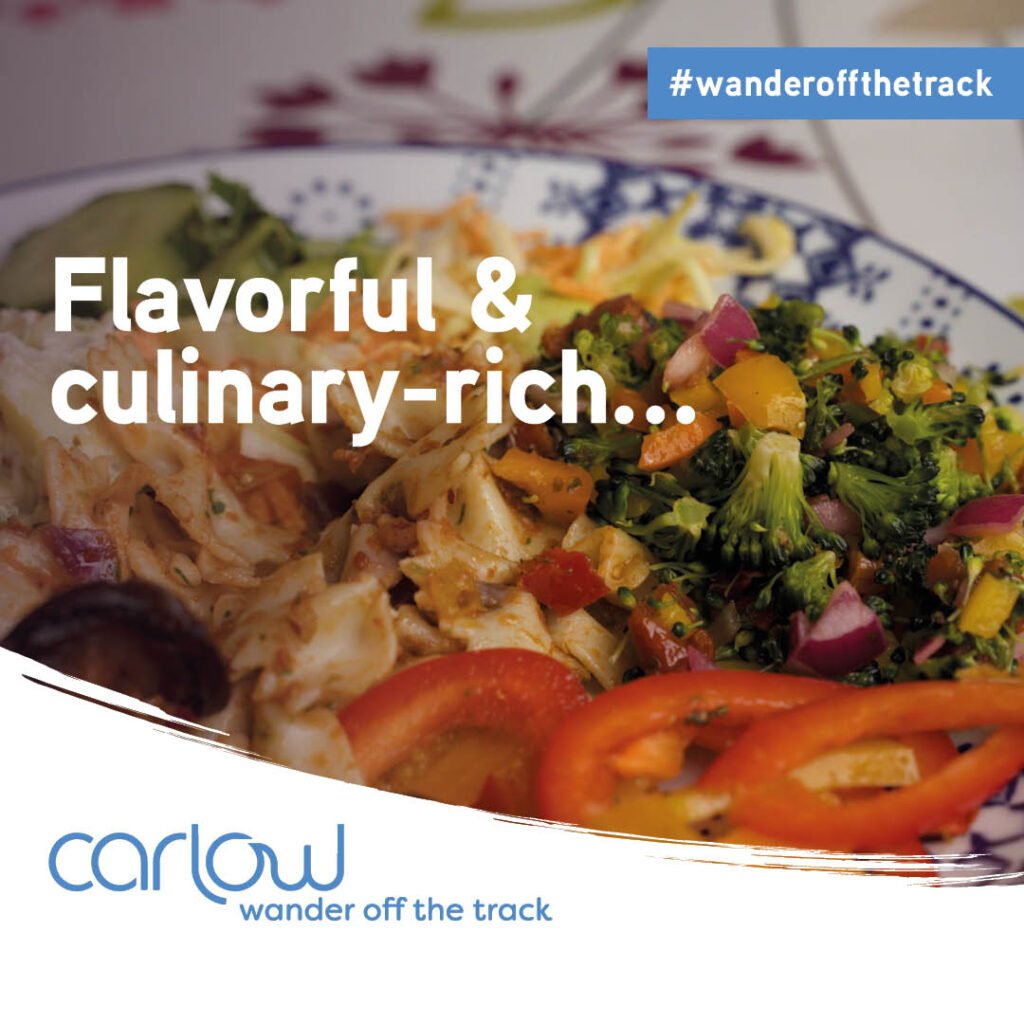
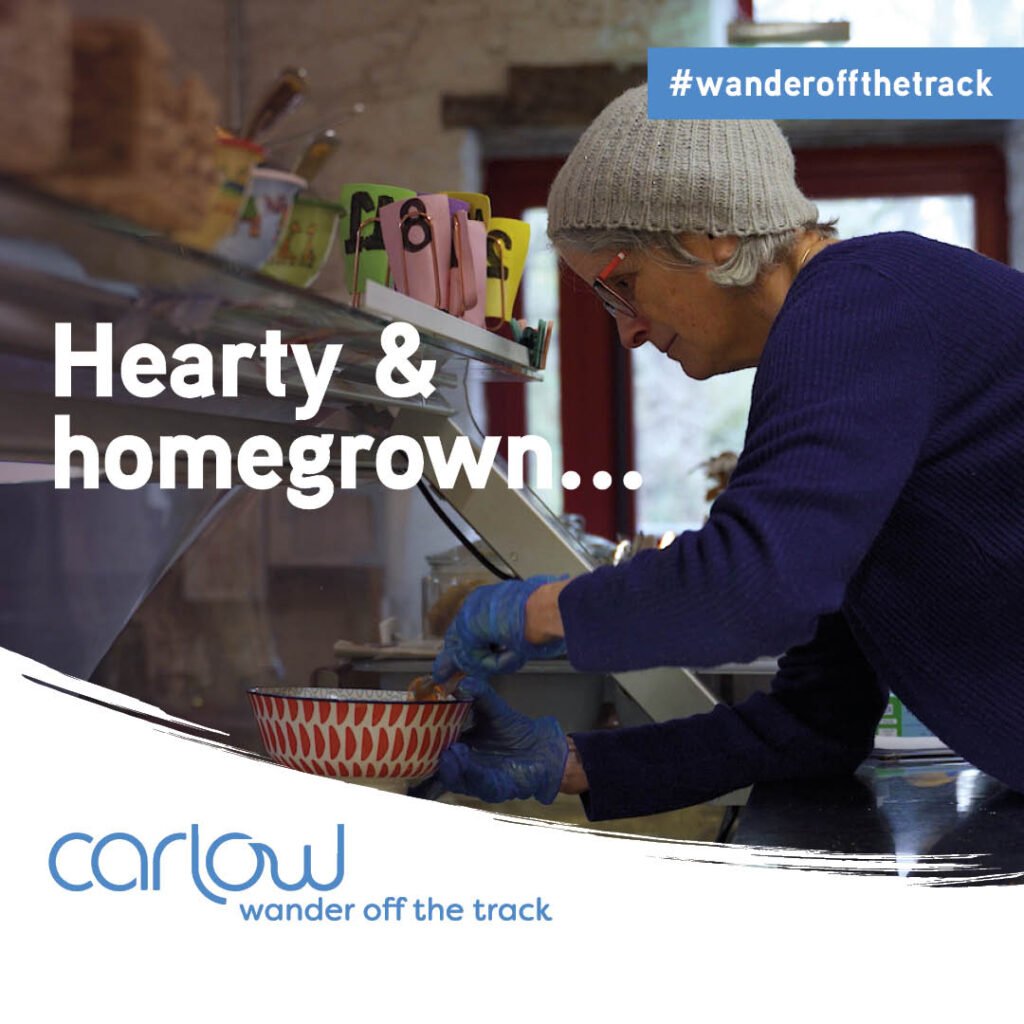
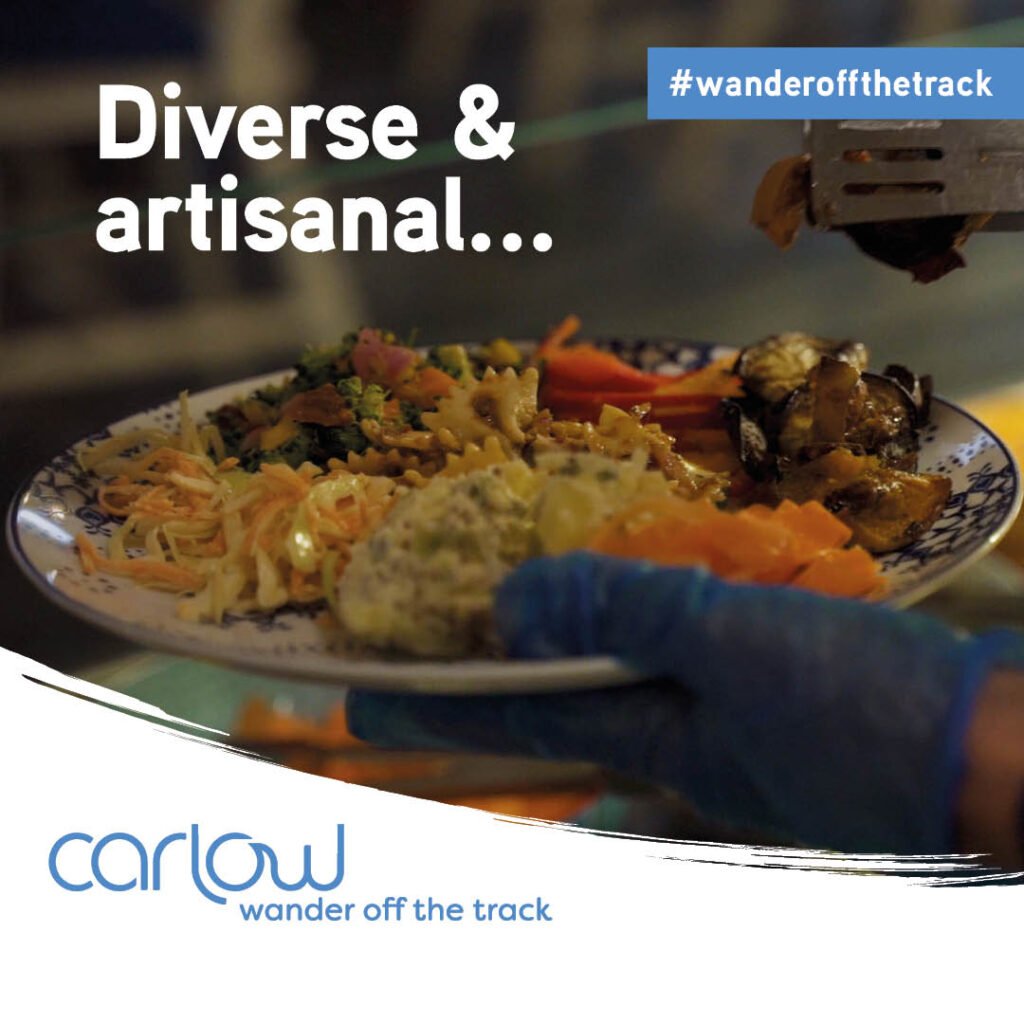
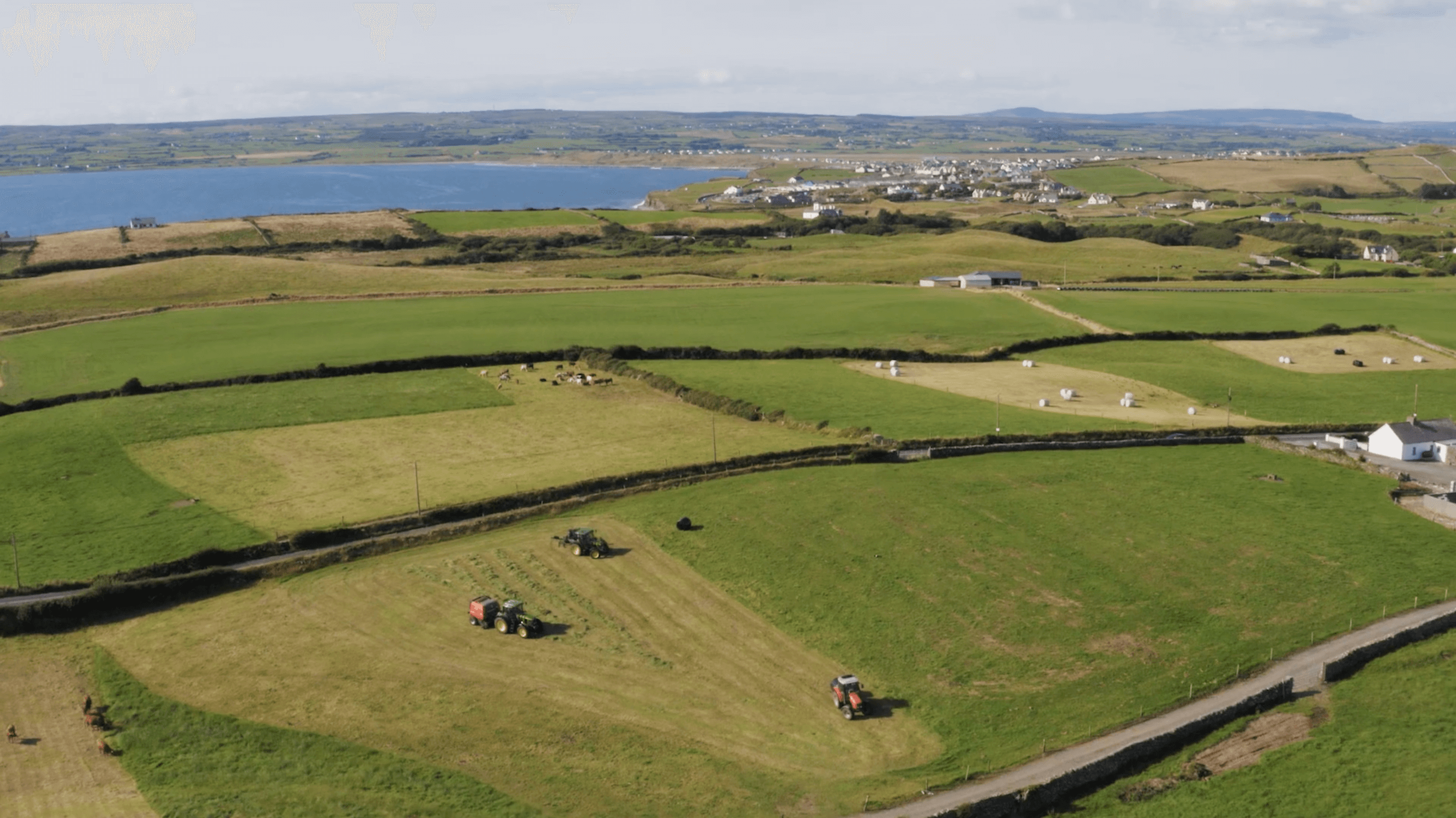
The chosen brand – wander off the track – focuses on attracting visitors to the county who are looking for a less-discovered part of Ireland with breathtaking scenery, outdoor adventures and memorable experiences.
Authentic visitor experiences that offer real insight into the area and provide a unique contrast to their daily lives are at the heart of the brand ethos.
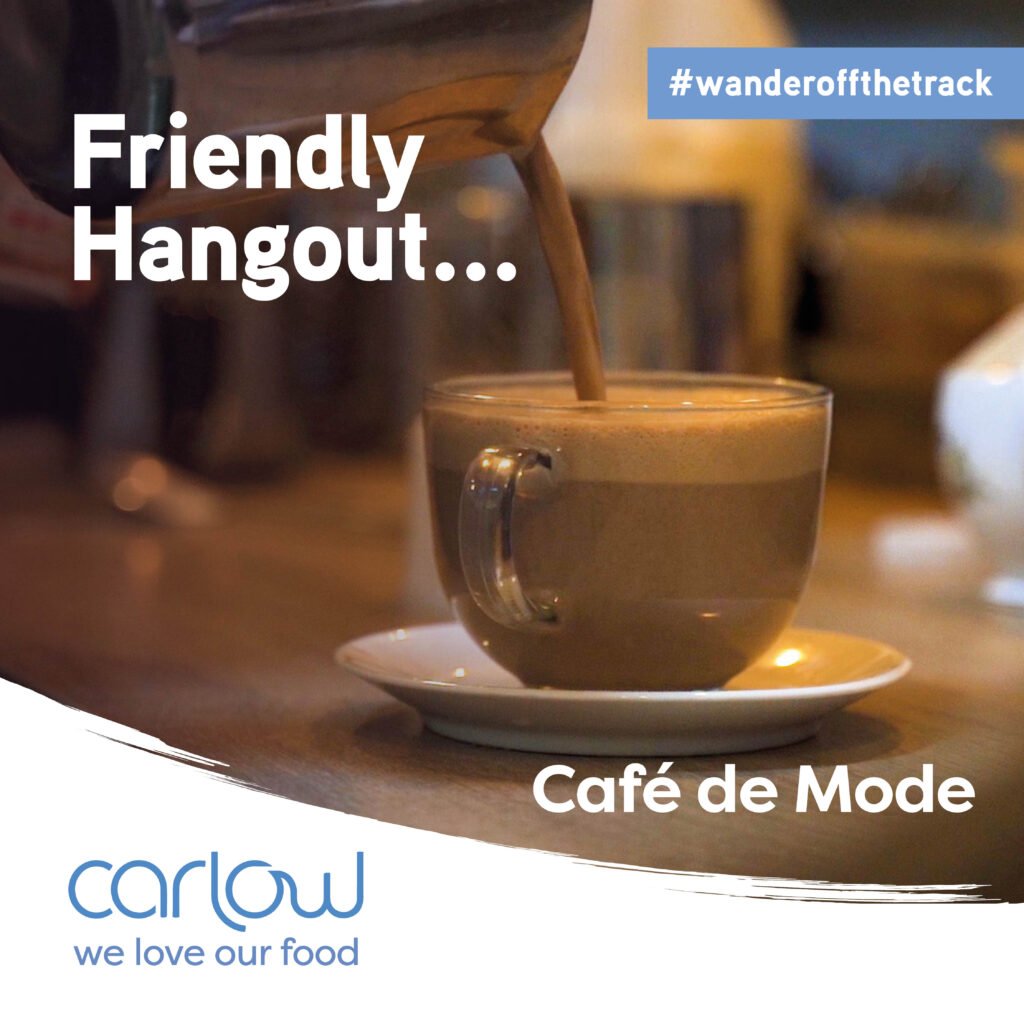
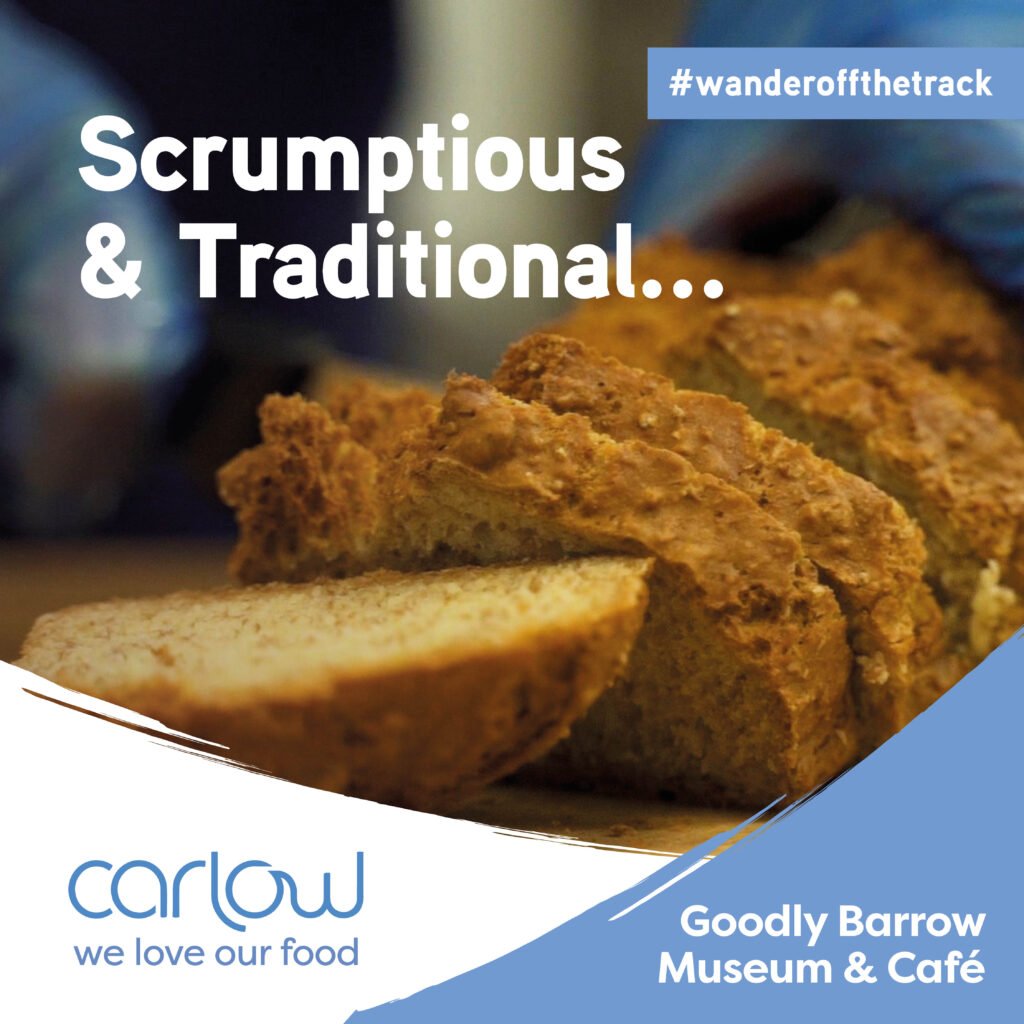
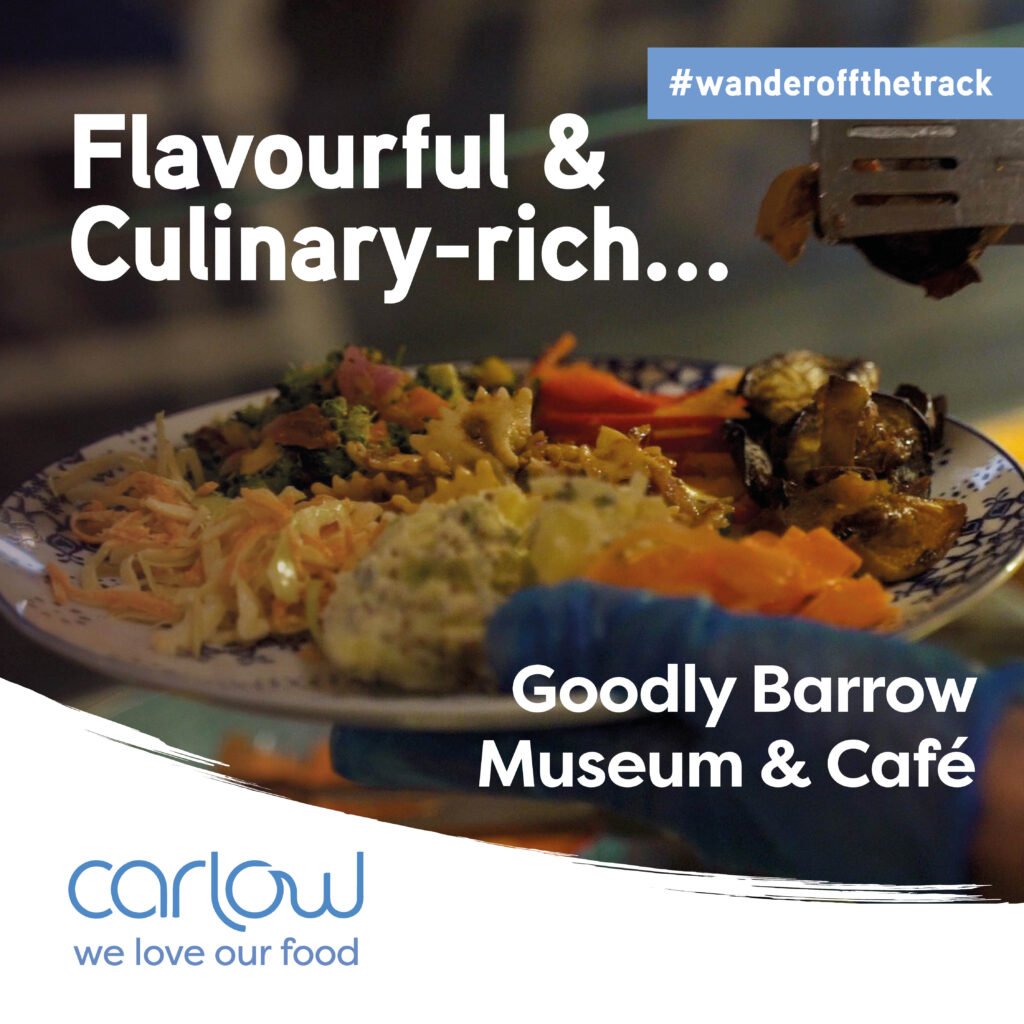
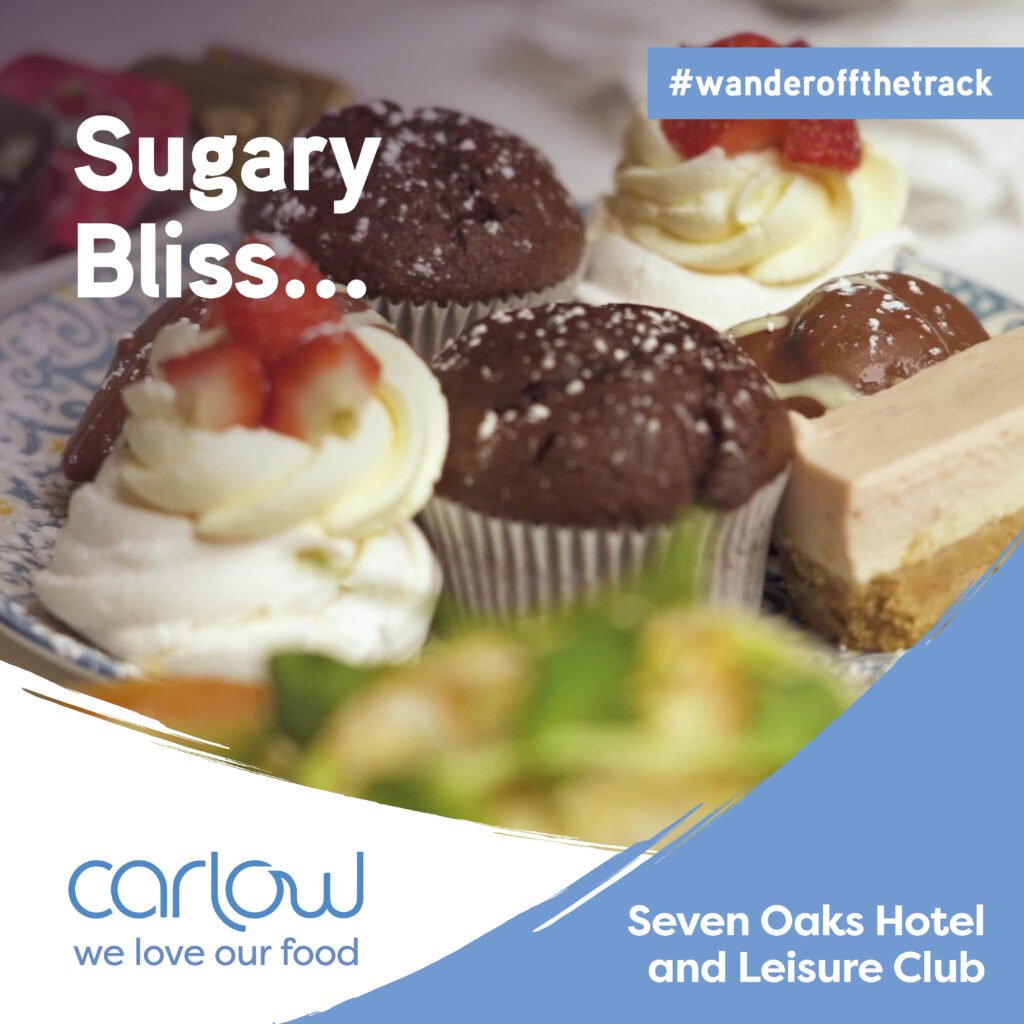
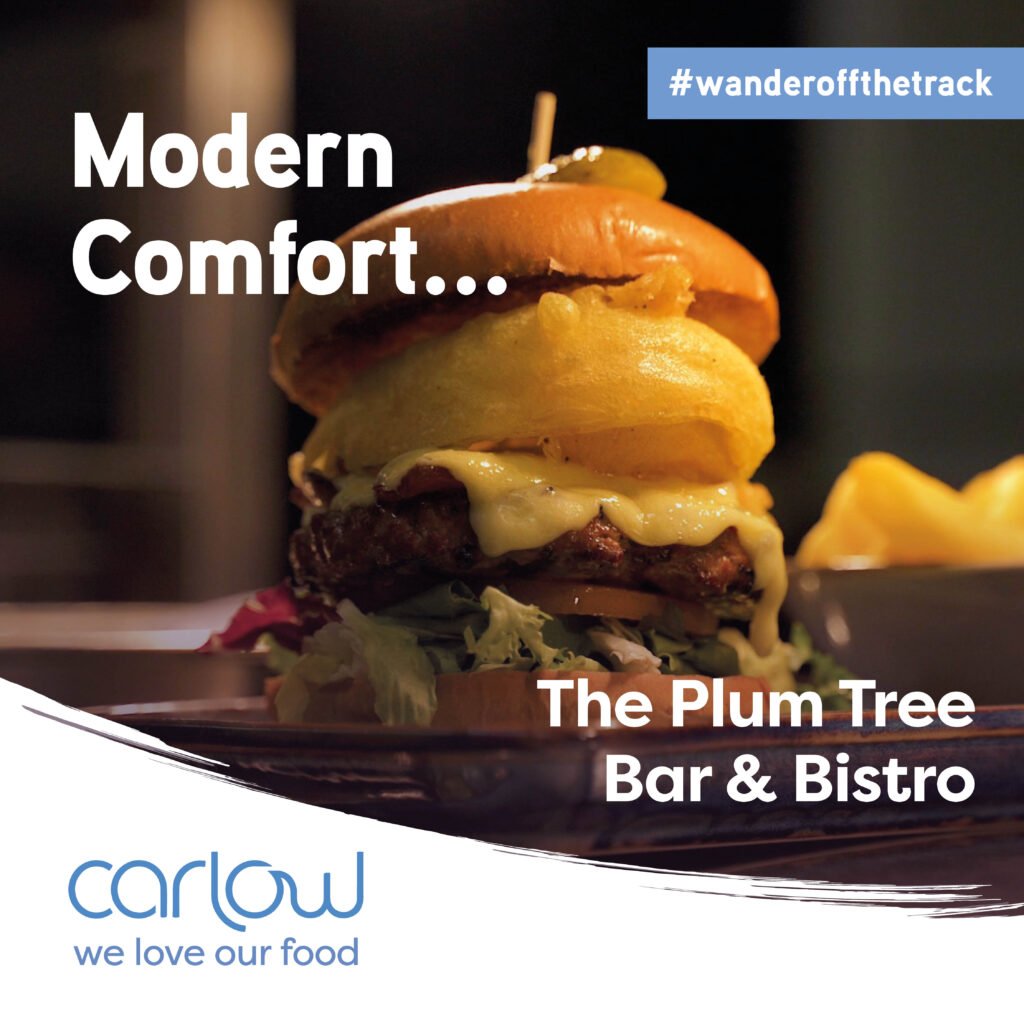
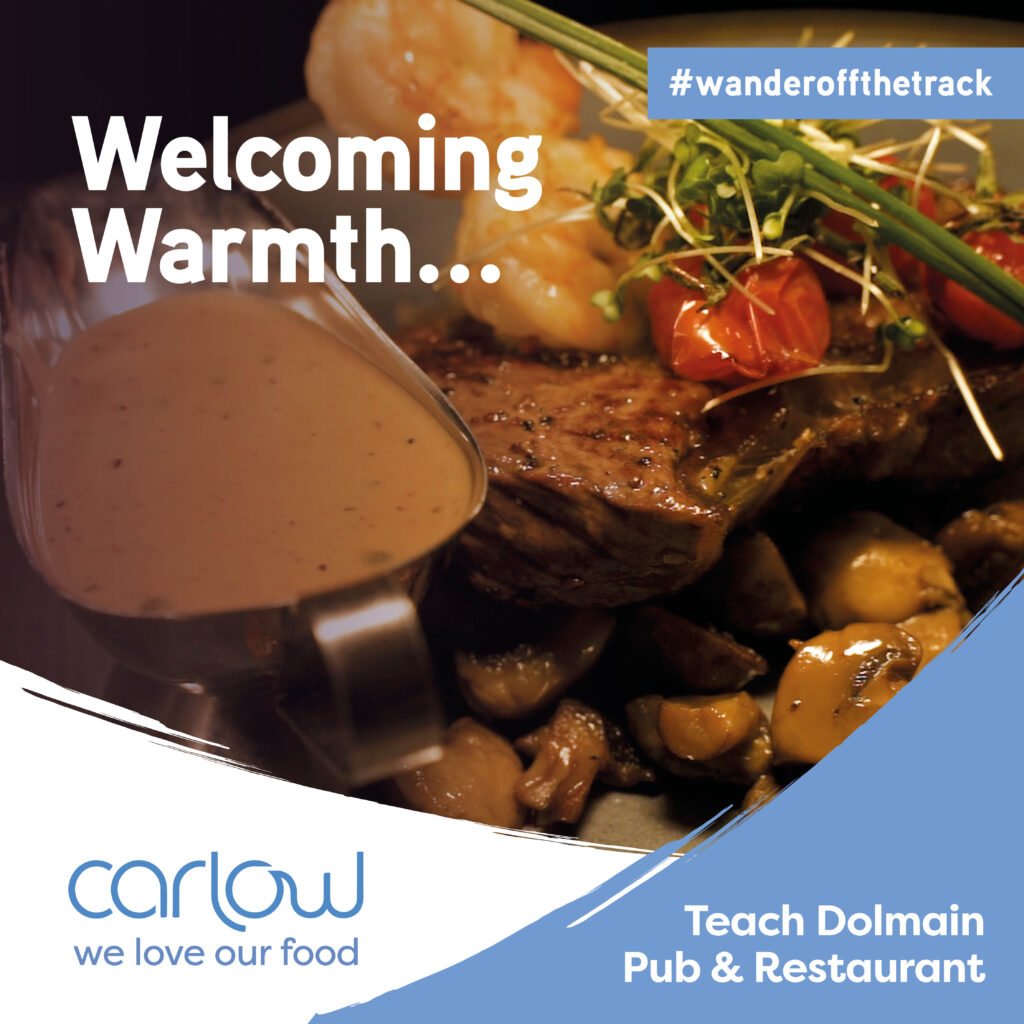
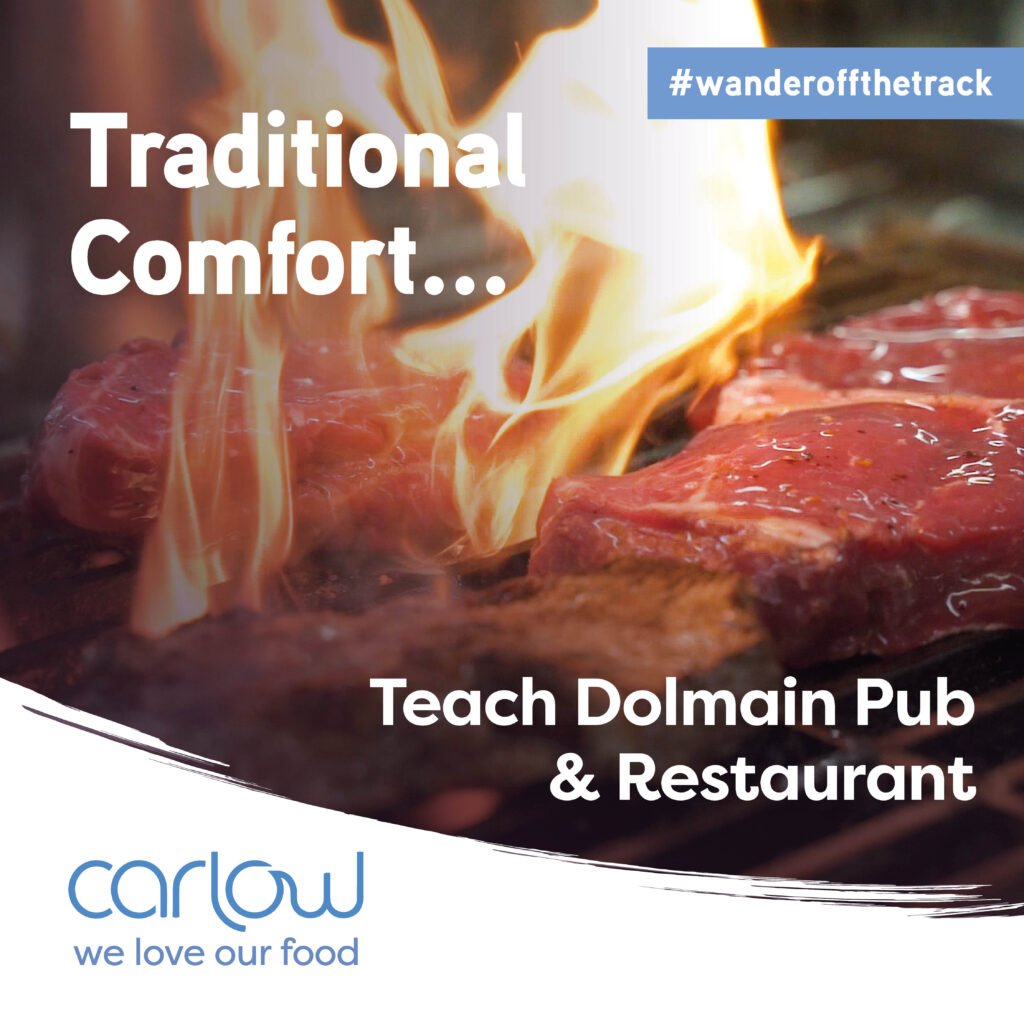
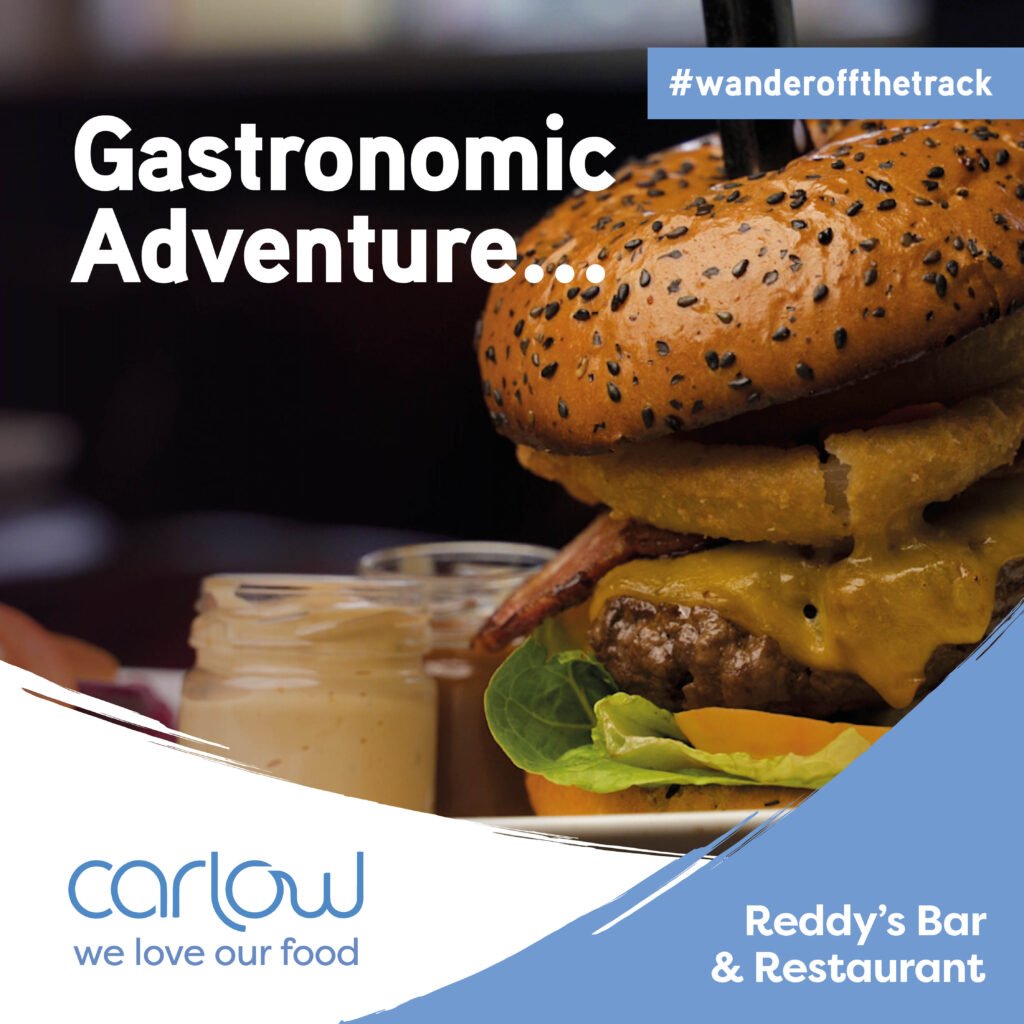
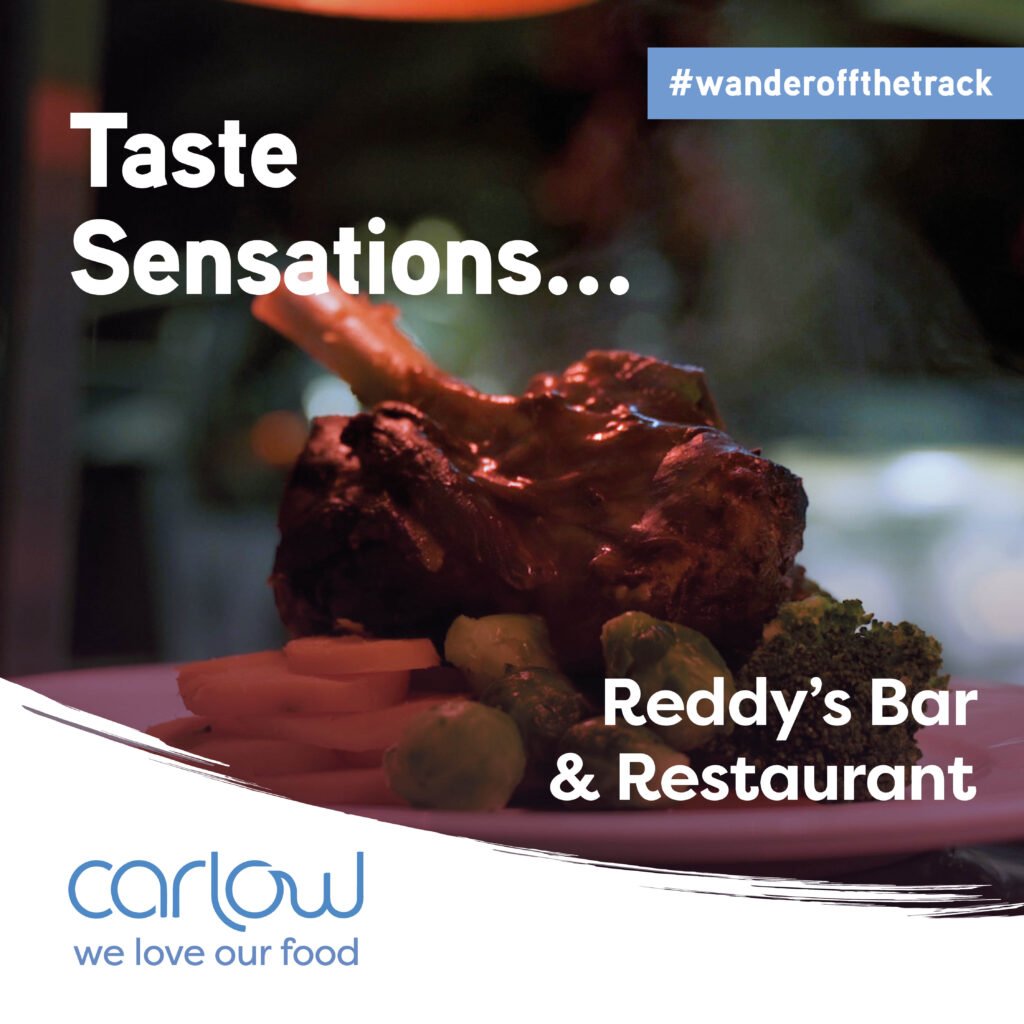
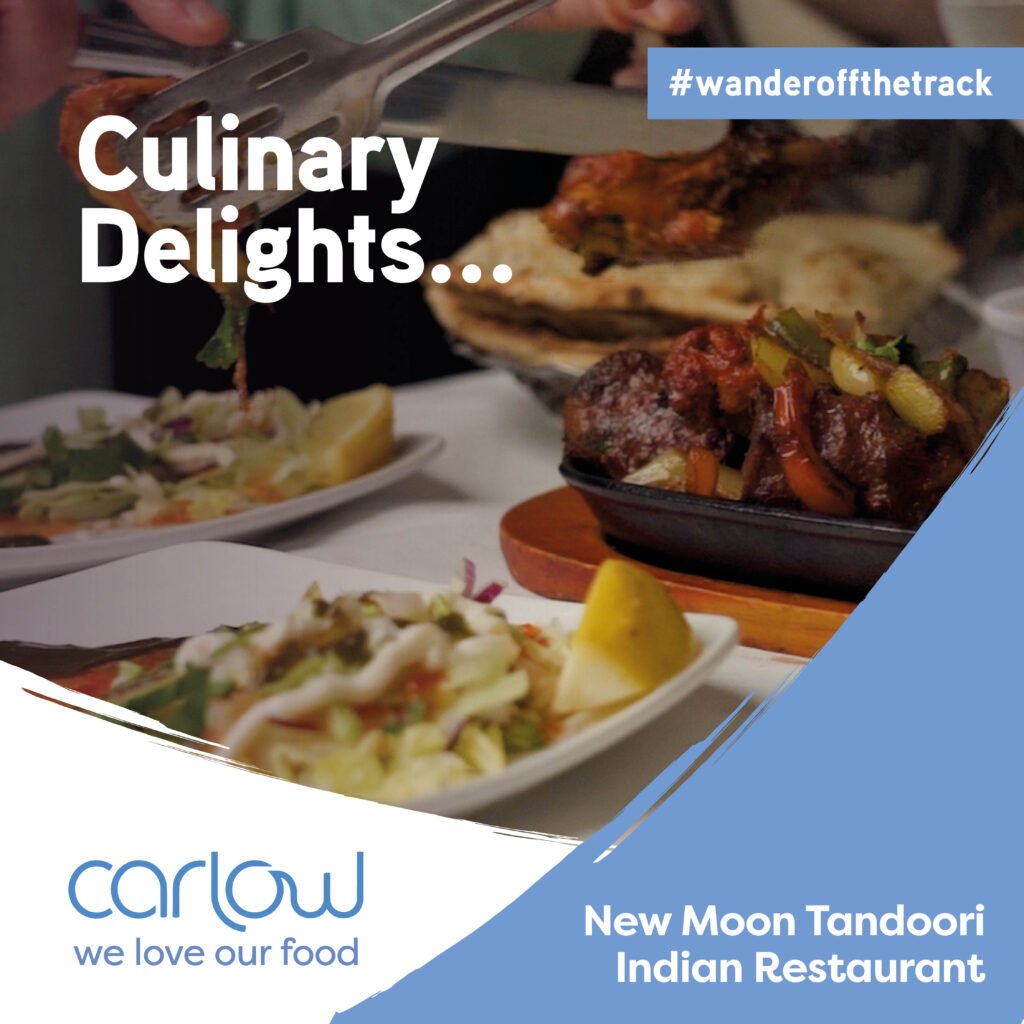
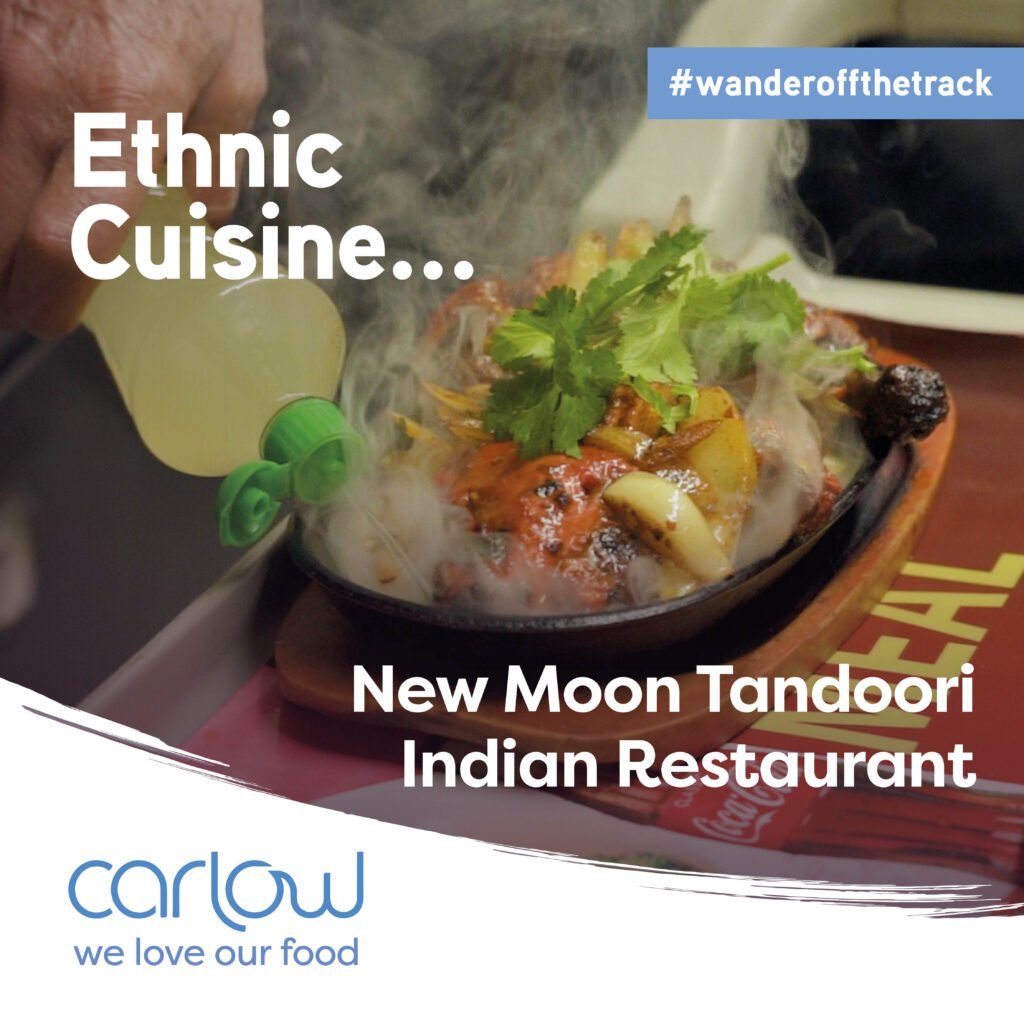
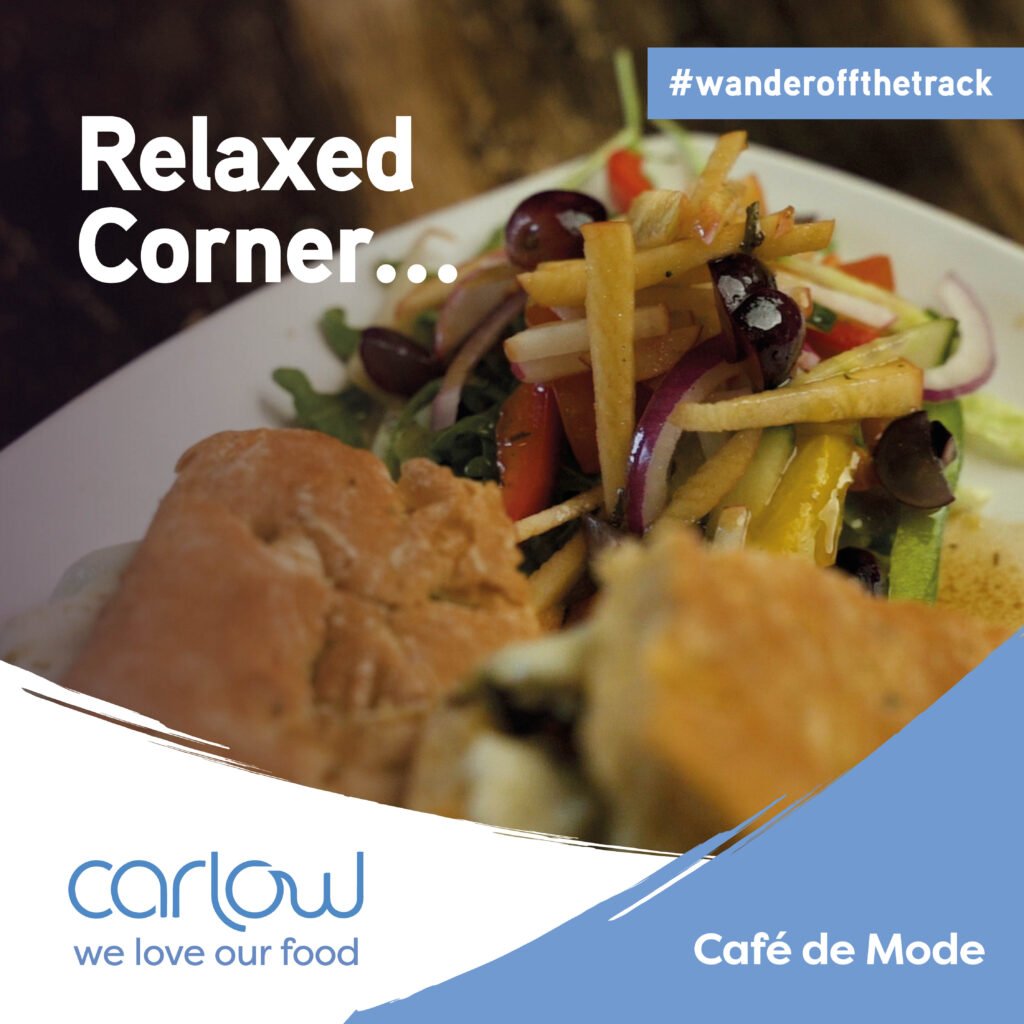
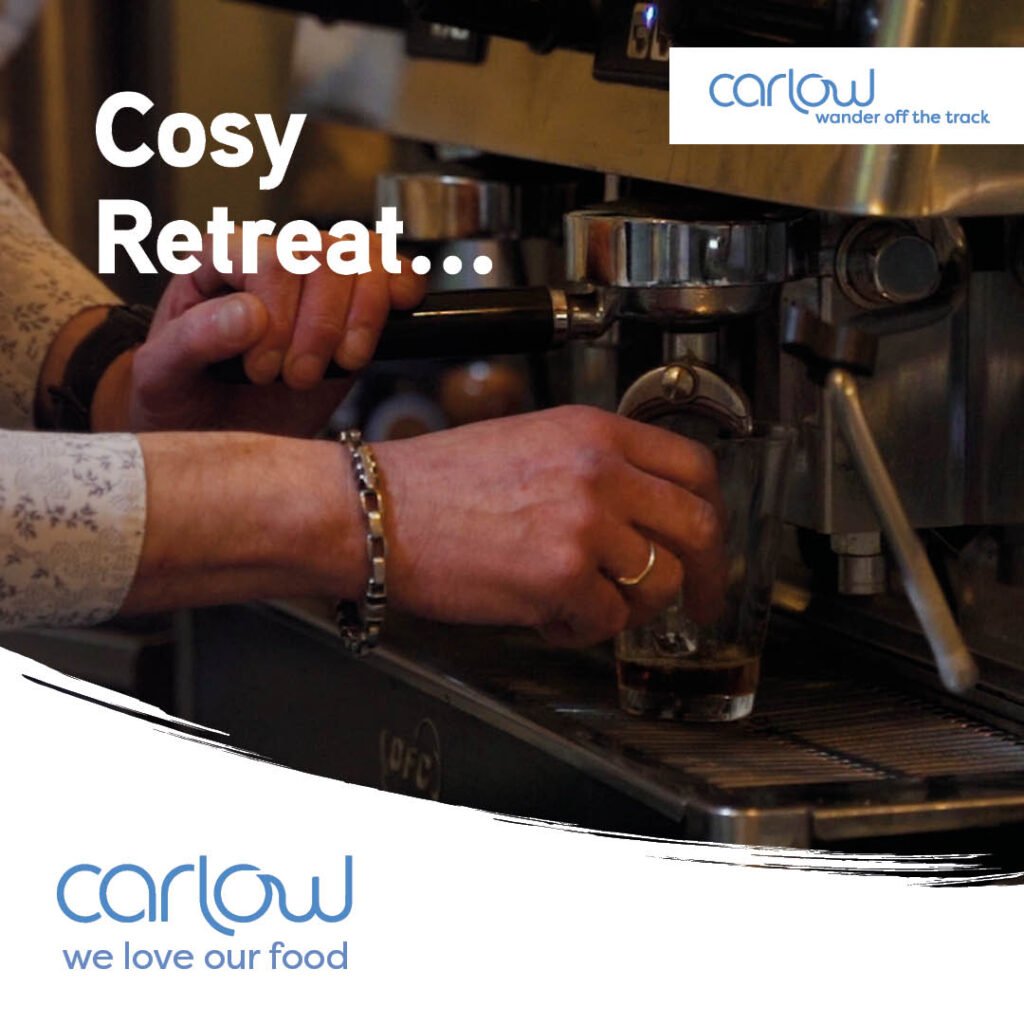
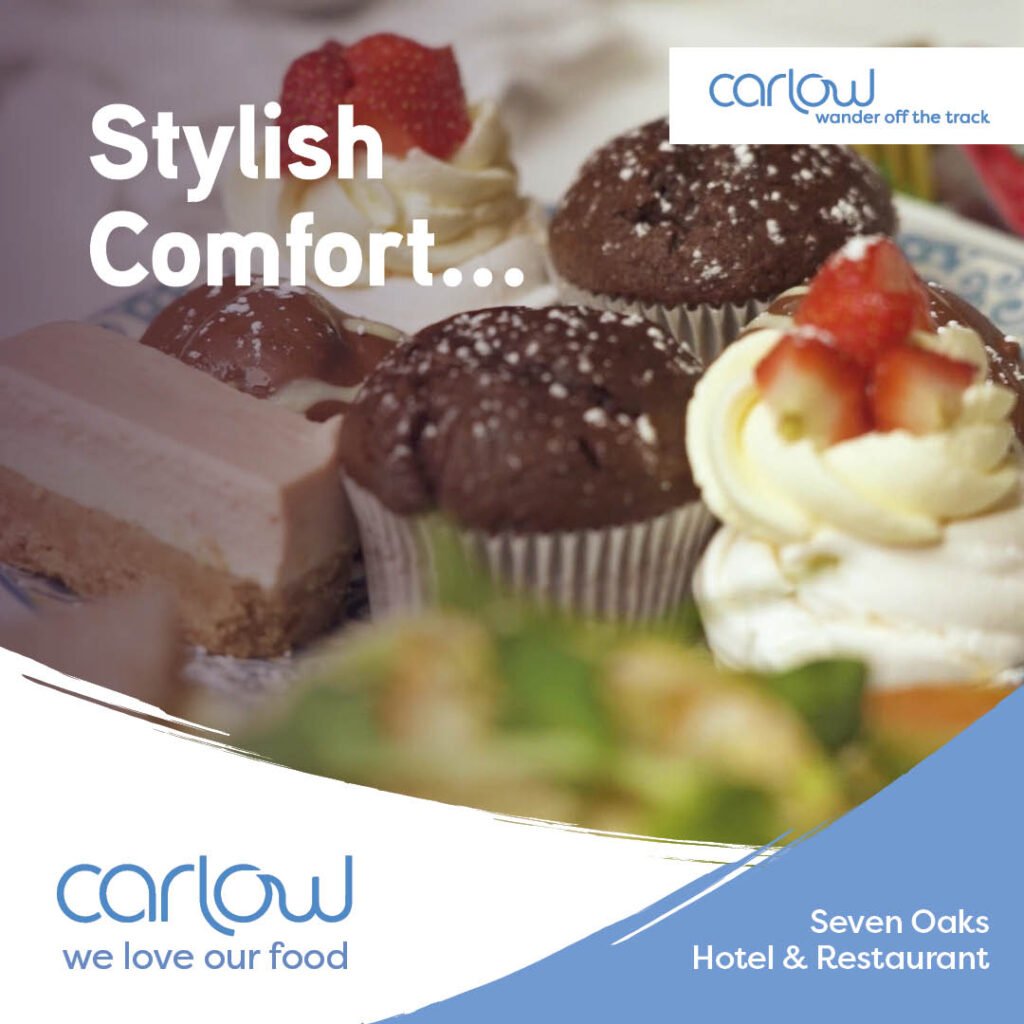
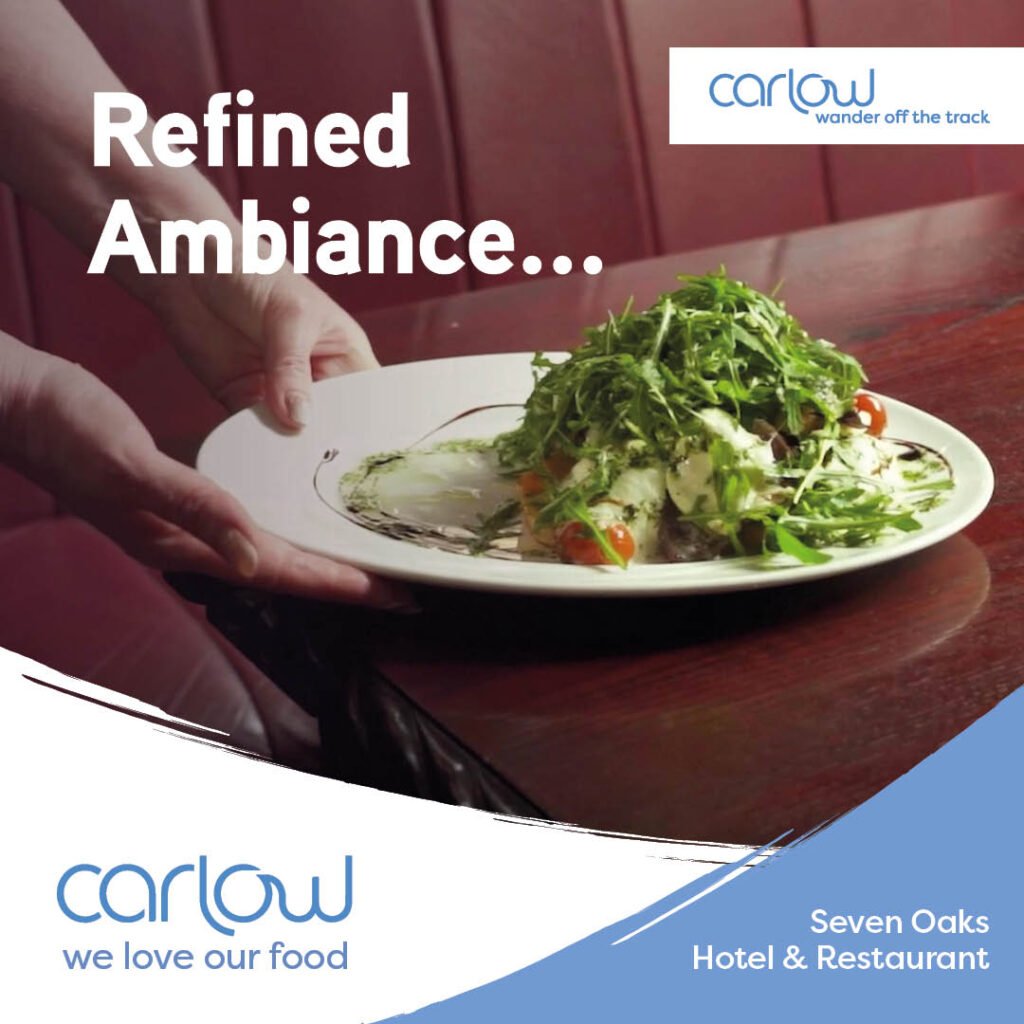
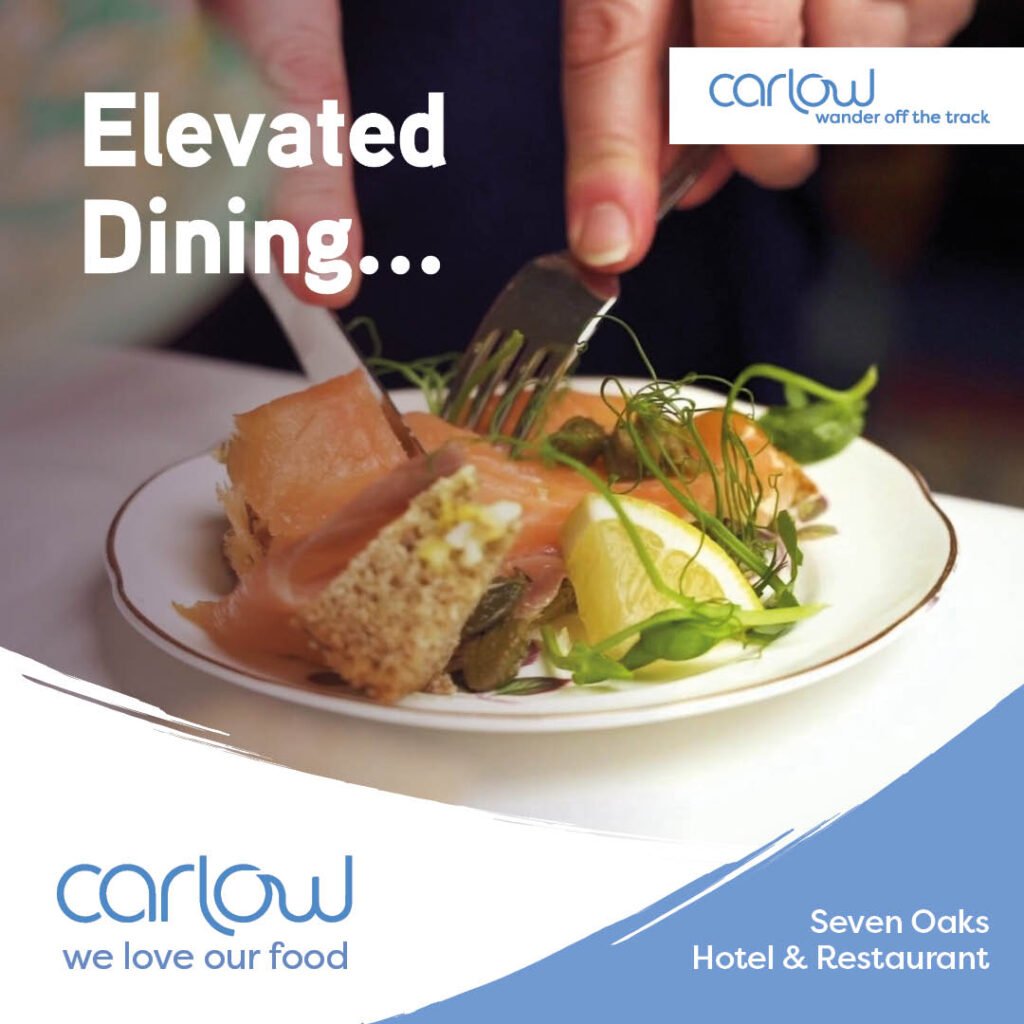
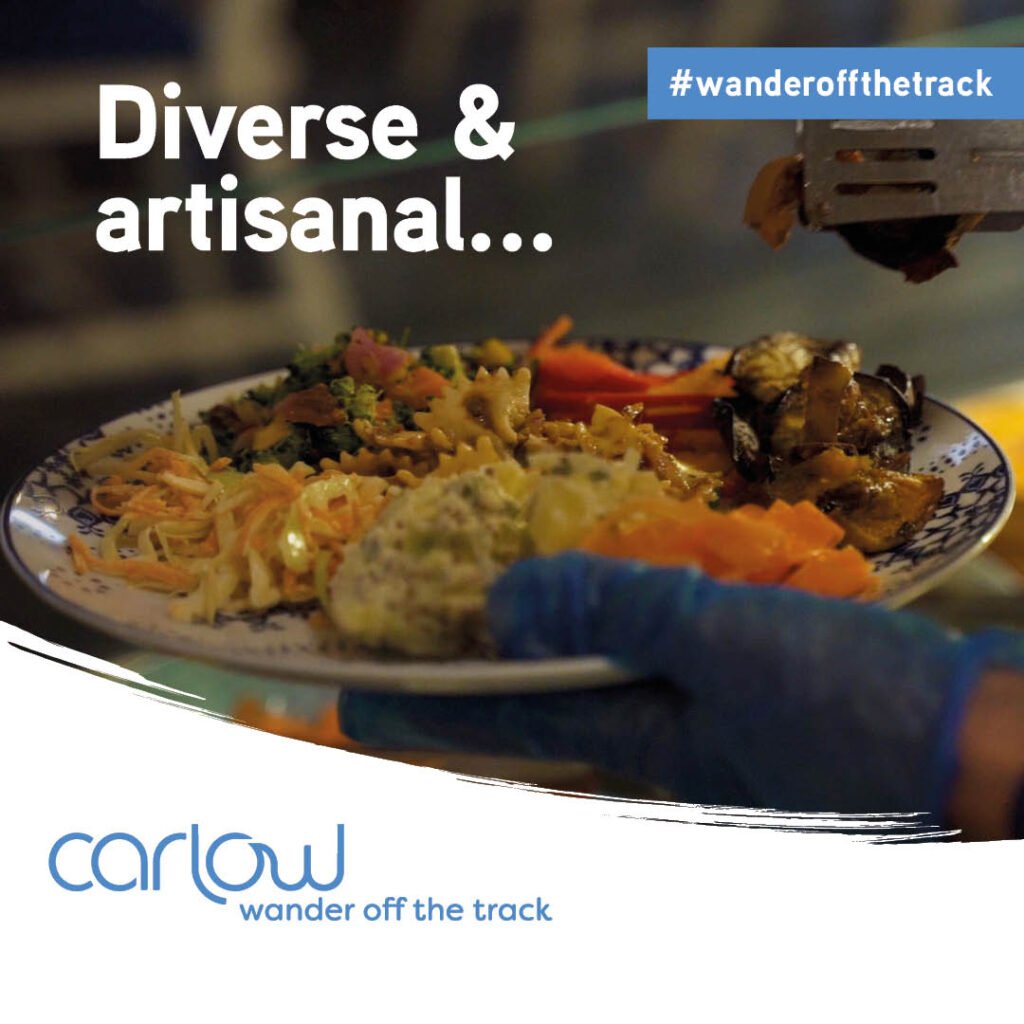
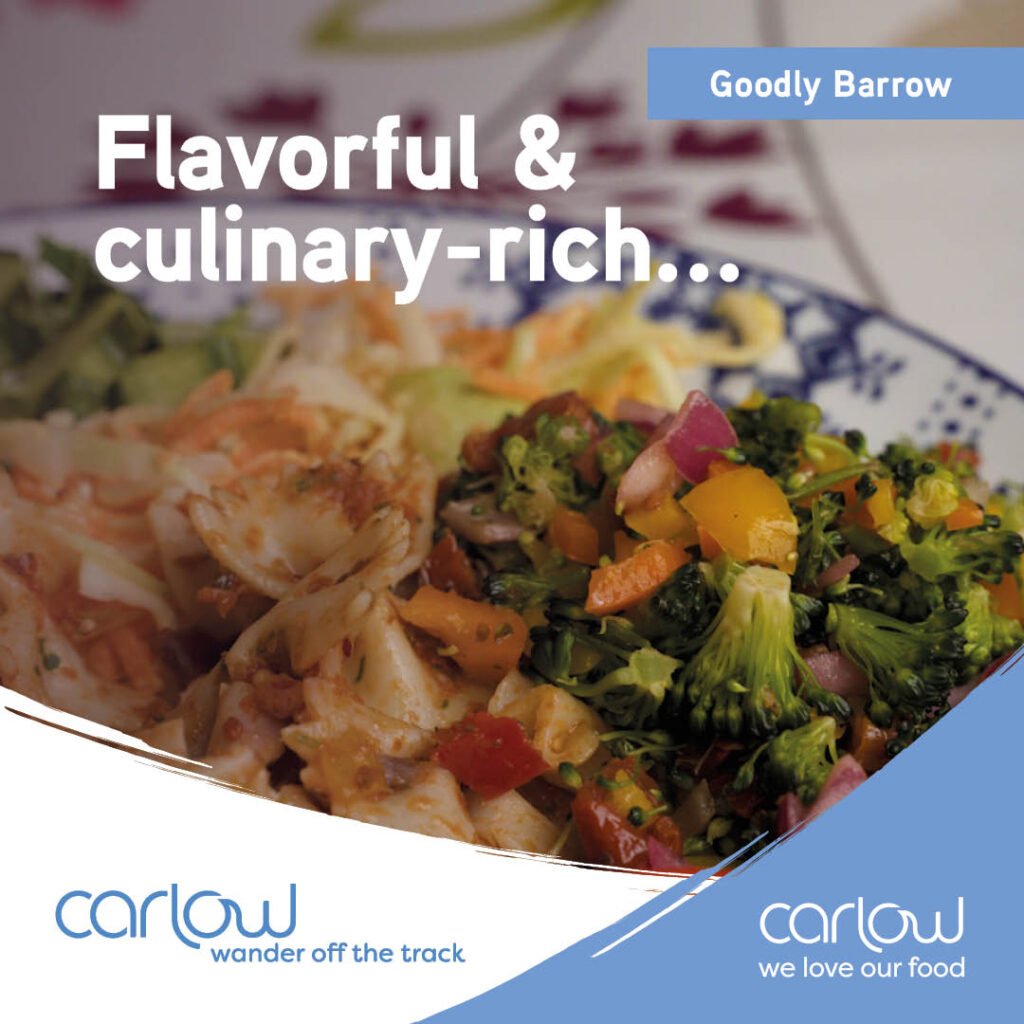
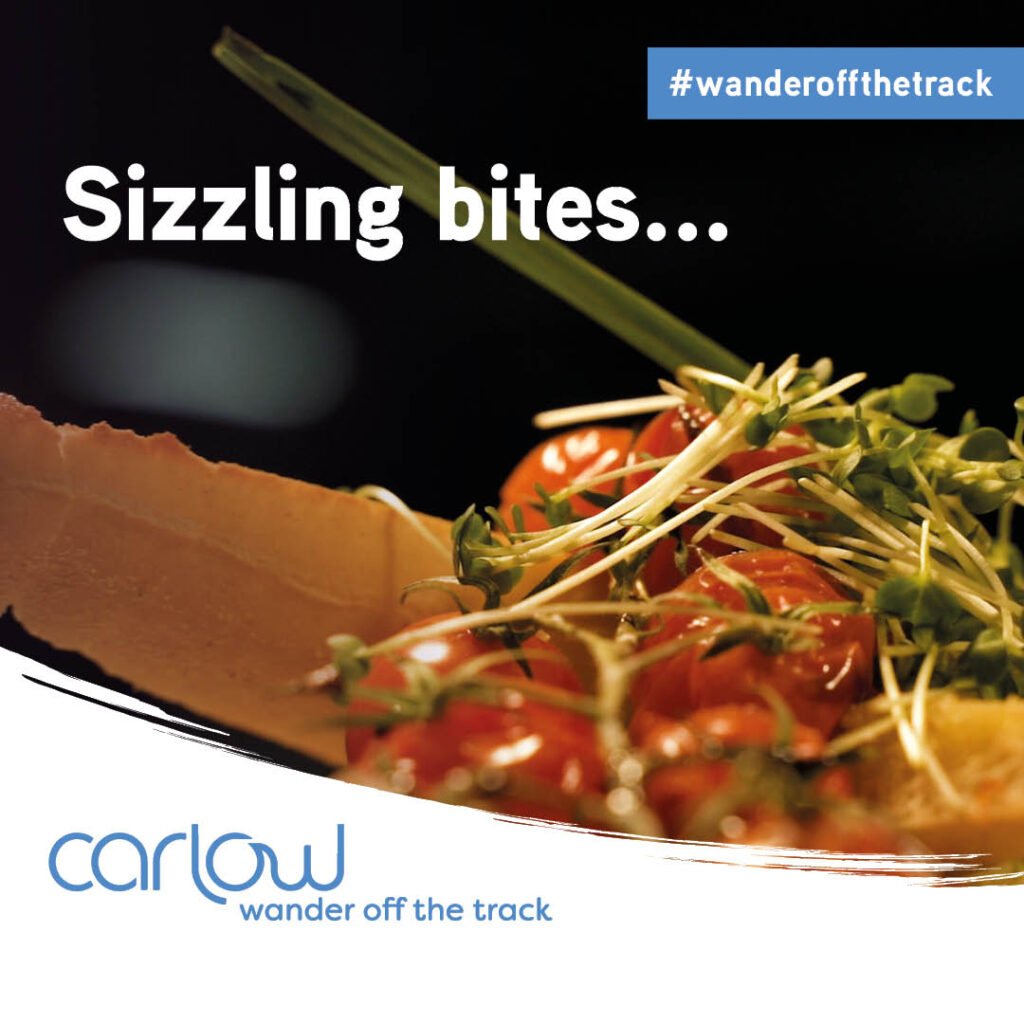
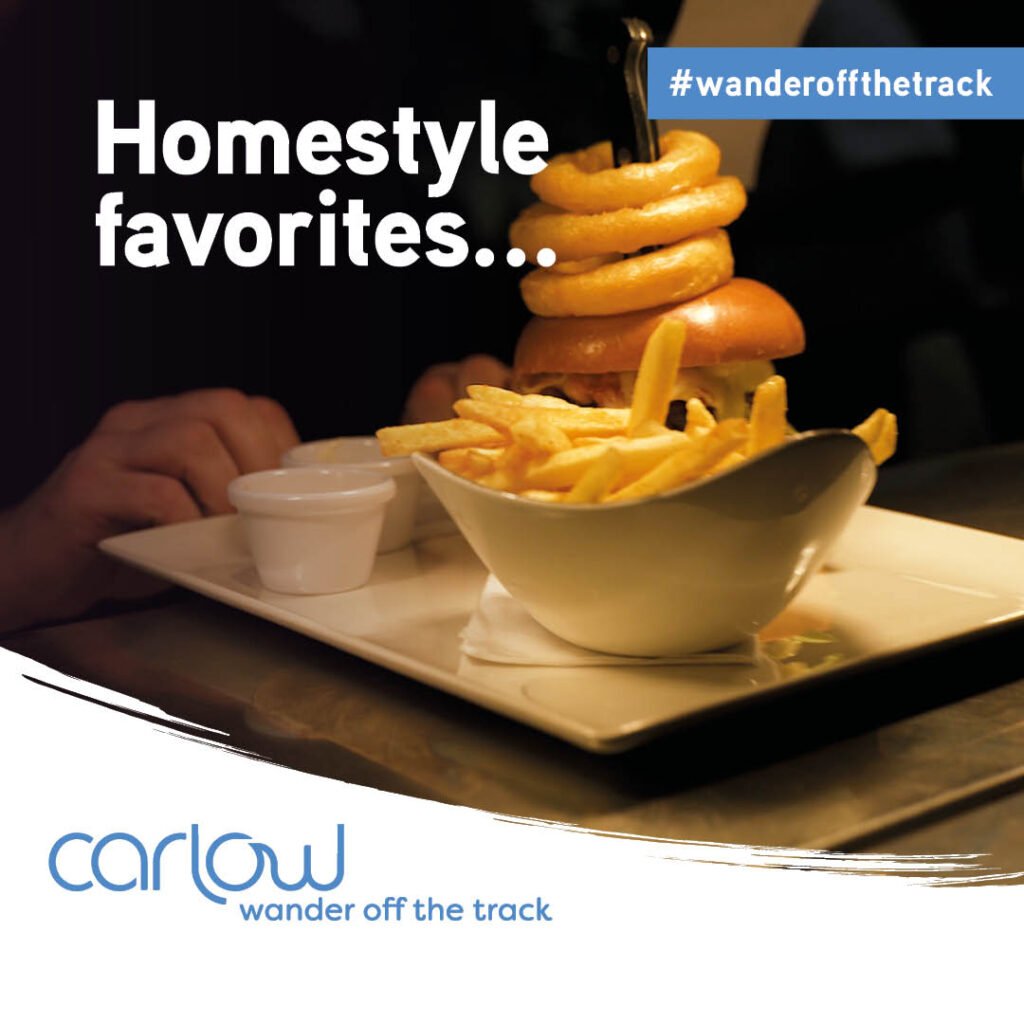
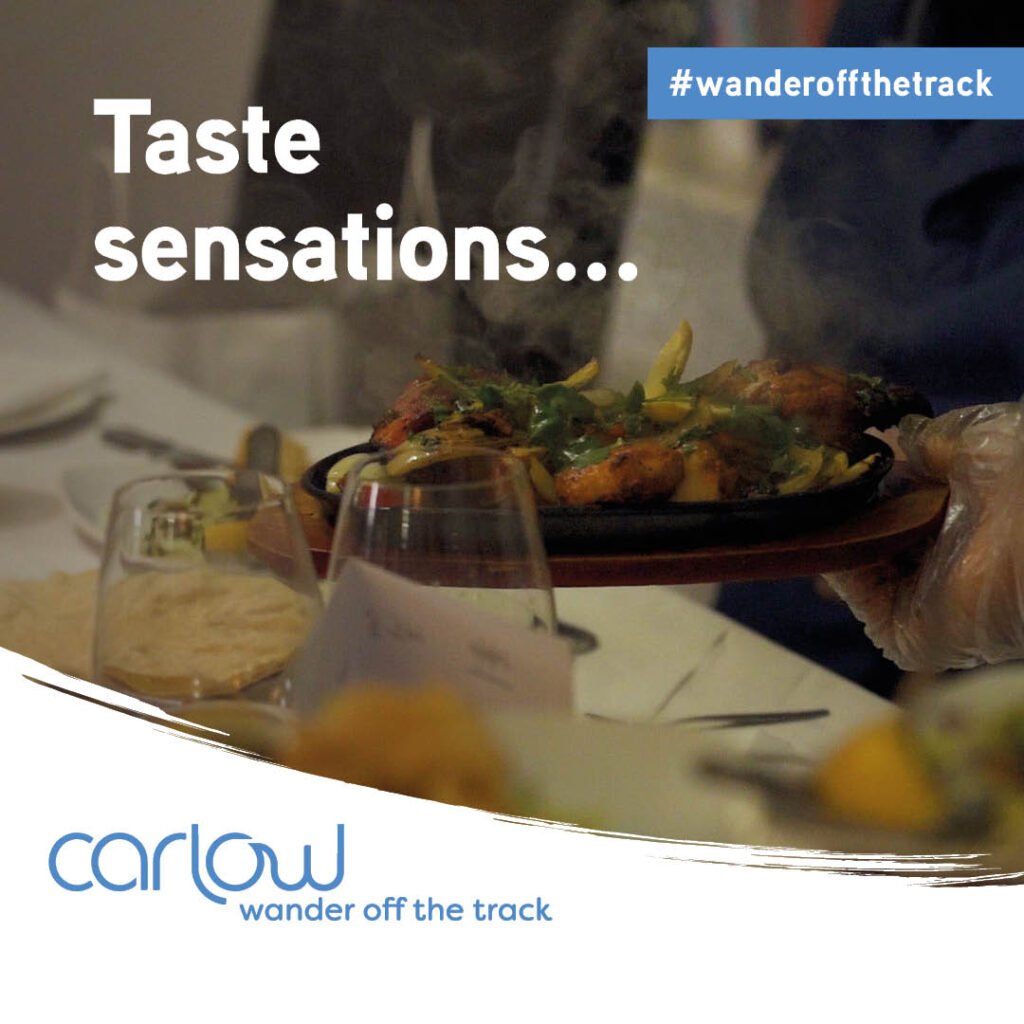

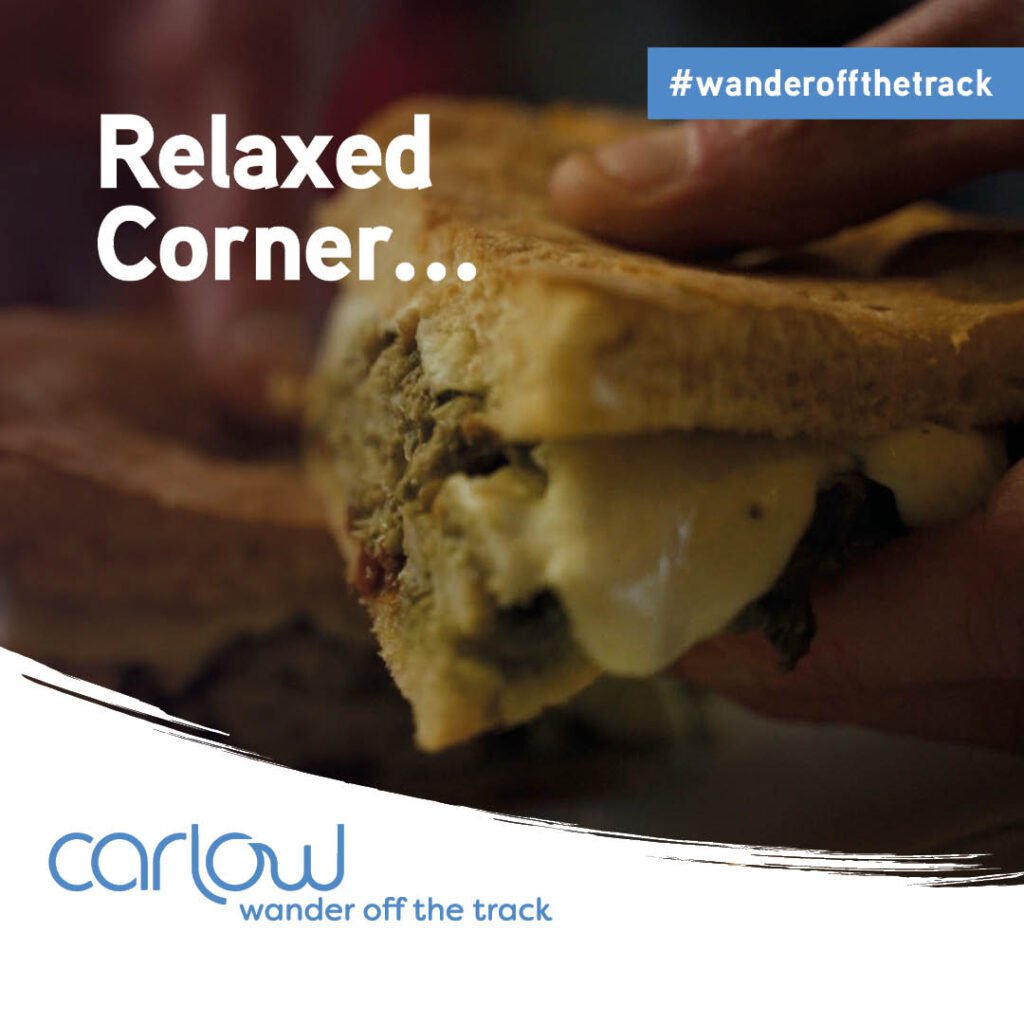
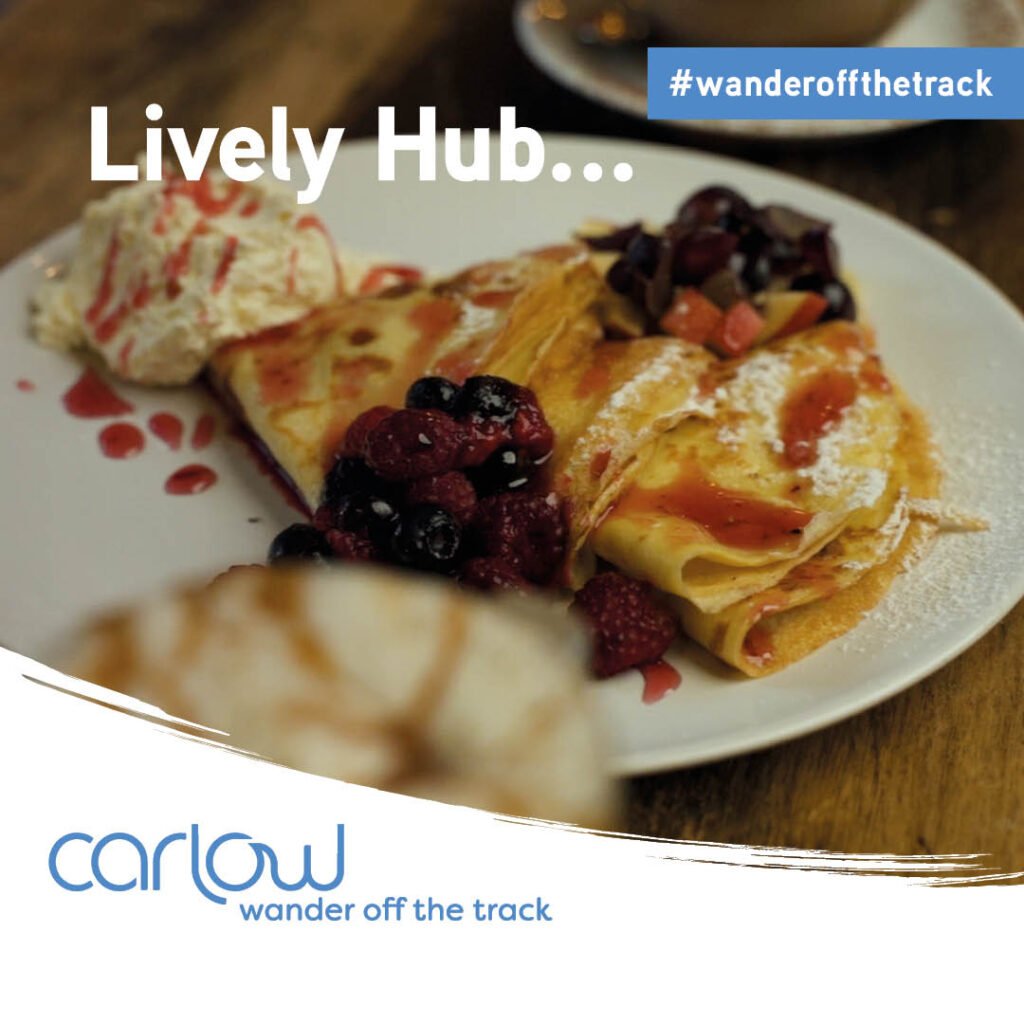
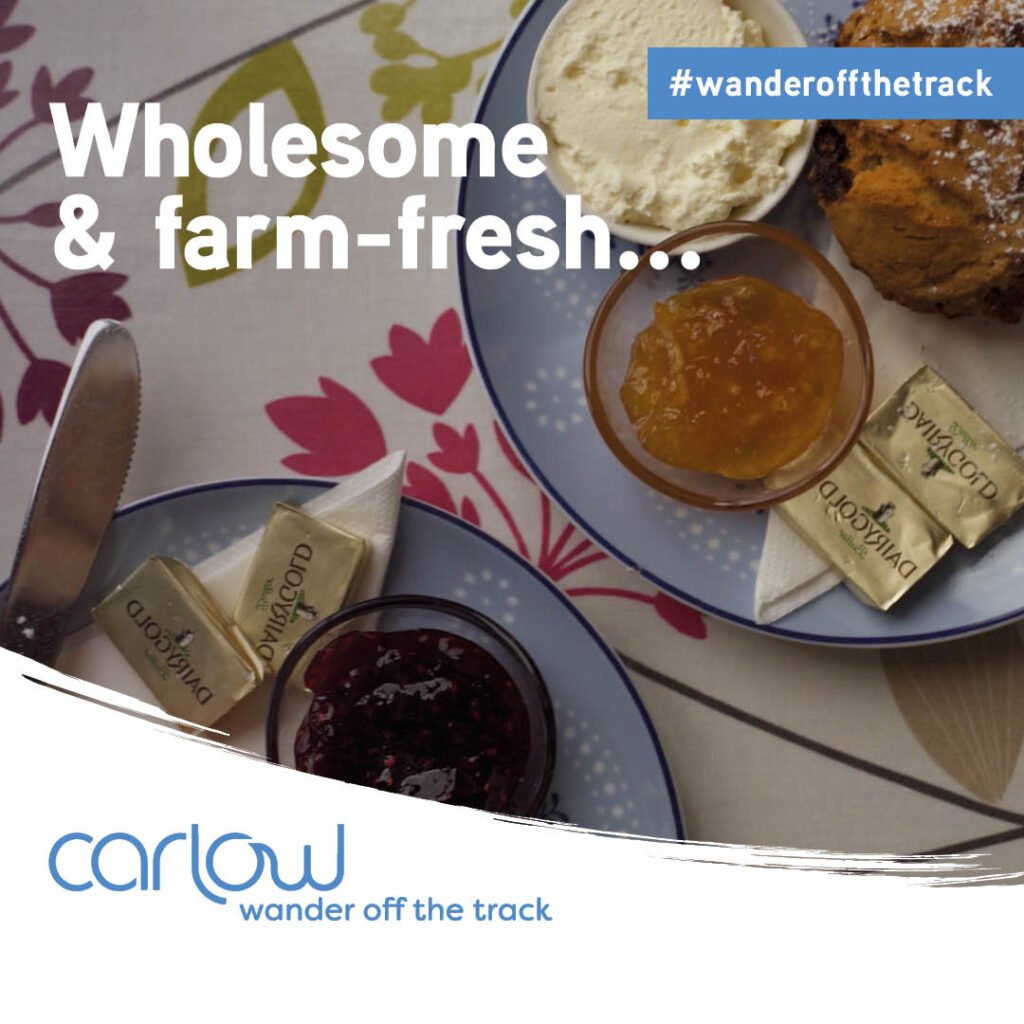
Strategy
The collaboration between Carlow CLG and Southern Advertising began with a thorough implementation of a website and SEO audit. Southern Advertising conducted an in-depth analysis of Carlow CLG’s website and SEO performance to identify areas for improvement and optimisation. This audit served as the foundation for crafting a comprehensive cross-channel social and digital strategy.
Additionally, Southern Advertising collaborated closely with third-party vendors specialised in SEO to augment Carlow CLG’s search engine optimisation efforts. By leveraging external expertise, Southern Advertising aimed to enhance the client’s SEO performance and visibility across online platforms. This collaborative approach ensured that the digital strategy encompassed not only social media but also website optimisation, maximising the campaign’s effectiveness and reach.
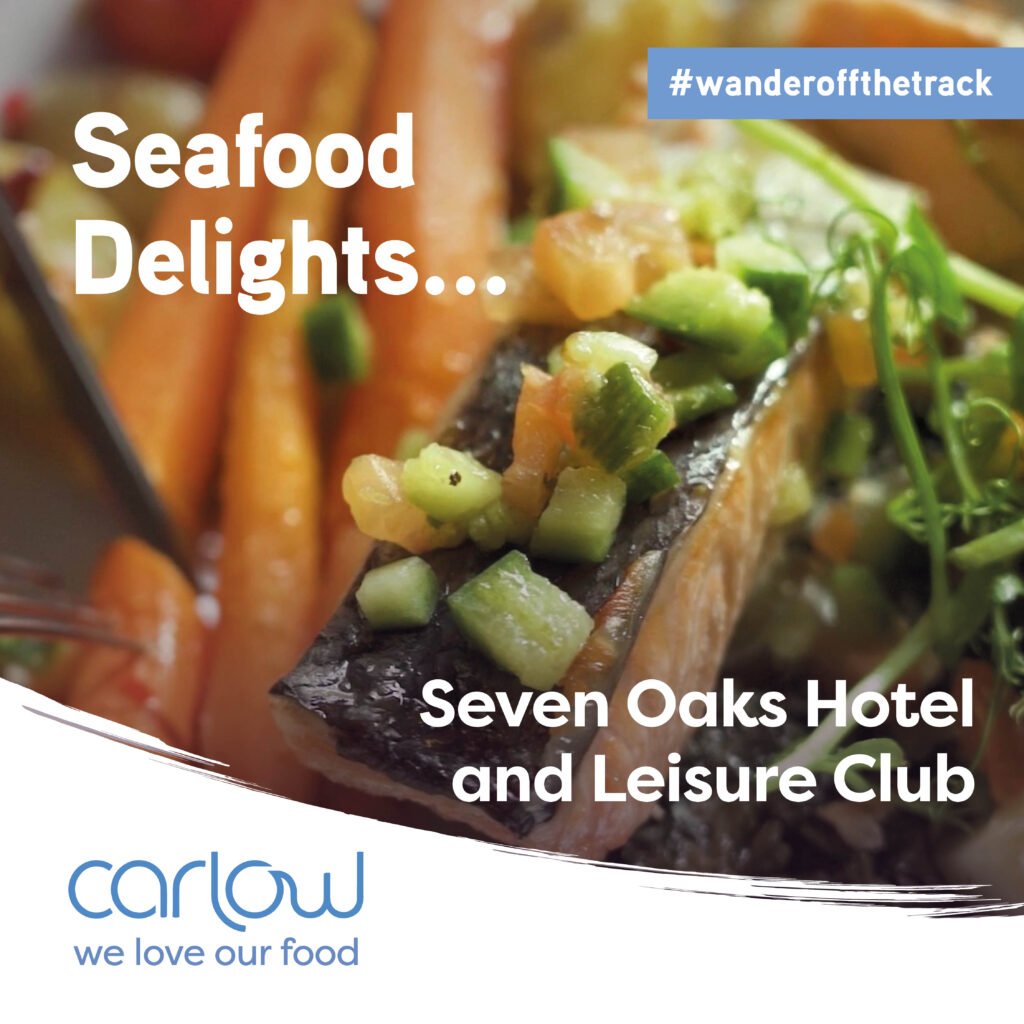
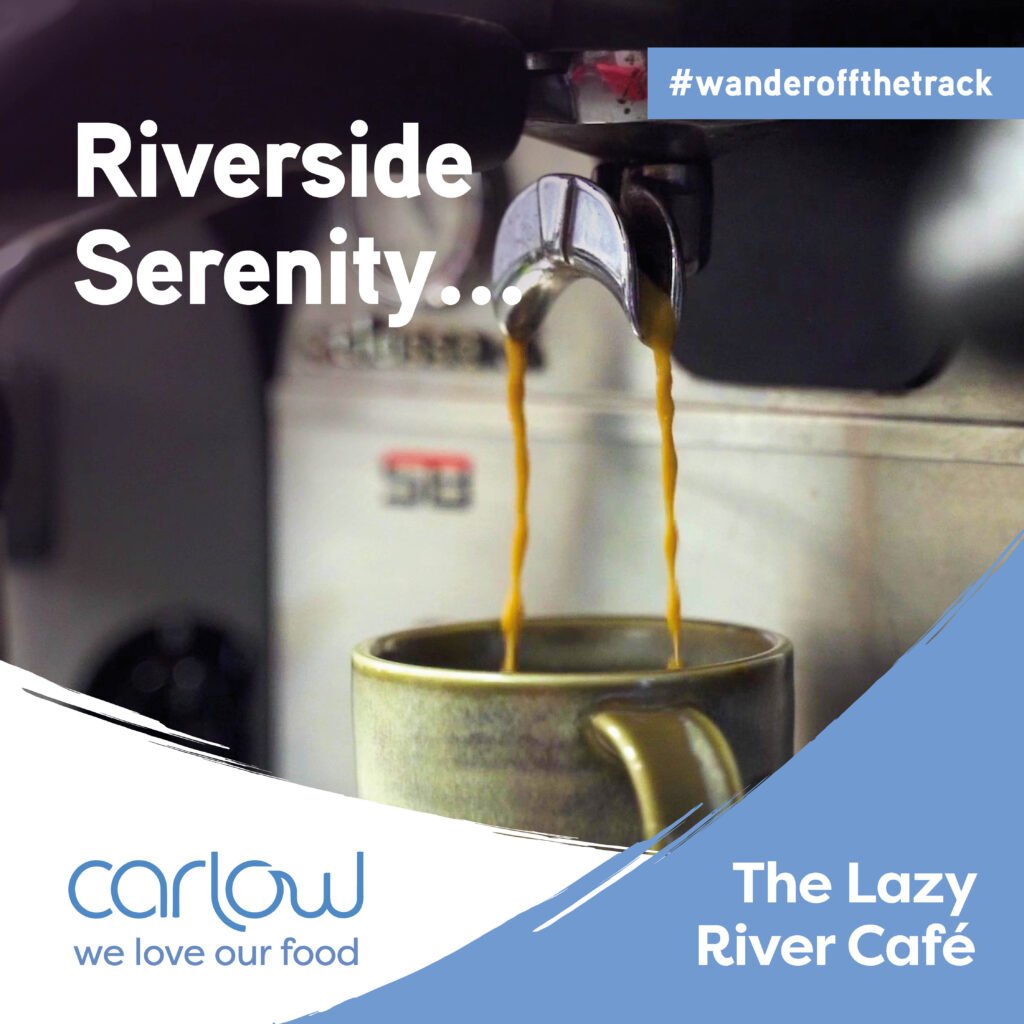
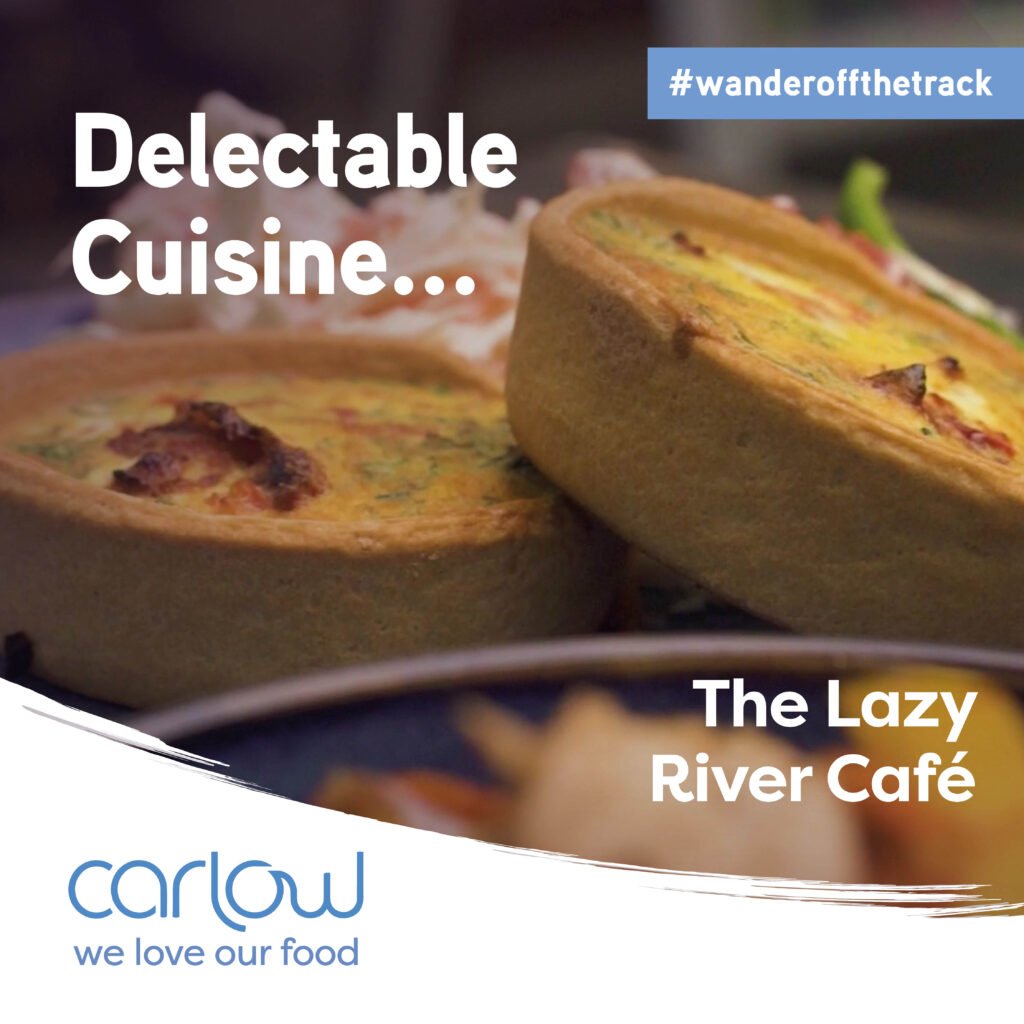
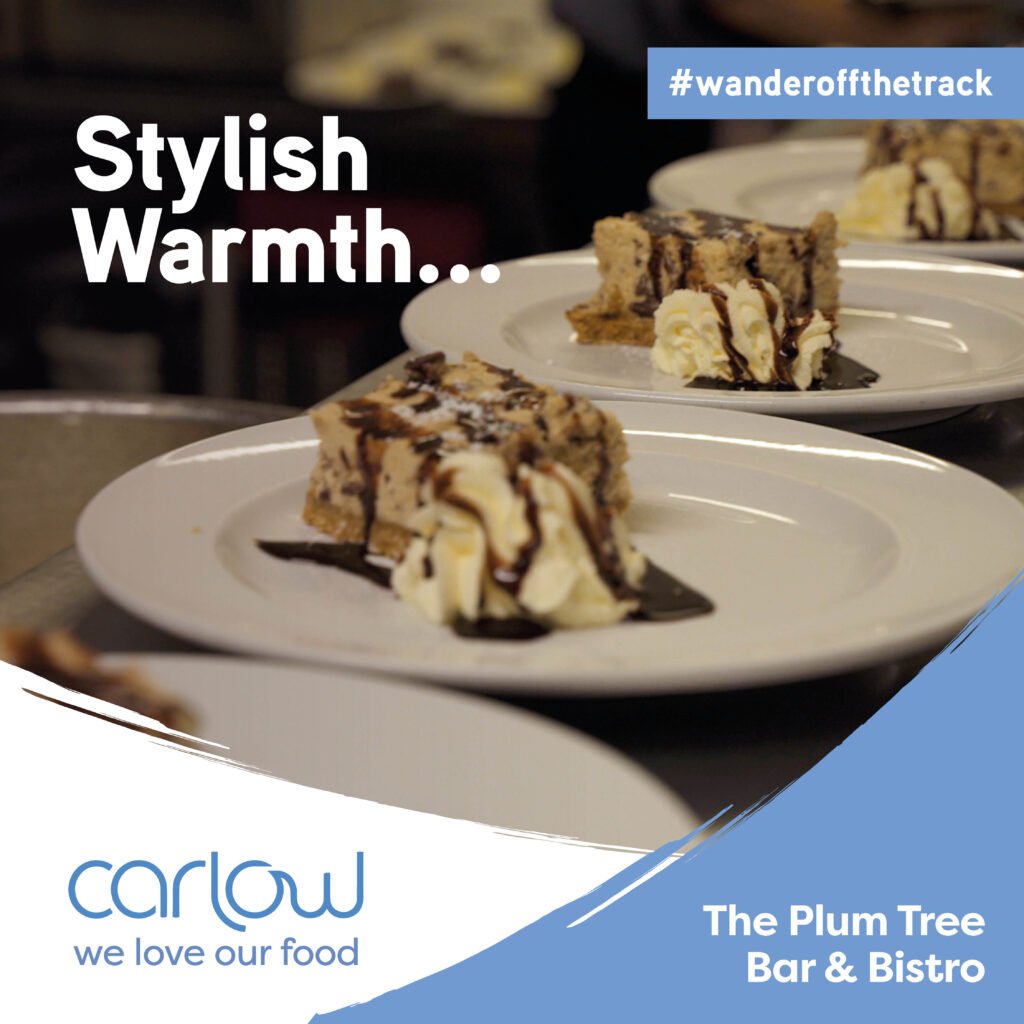
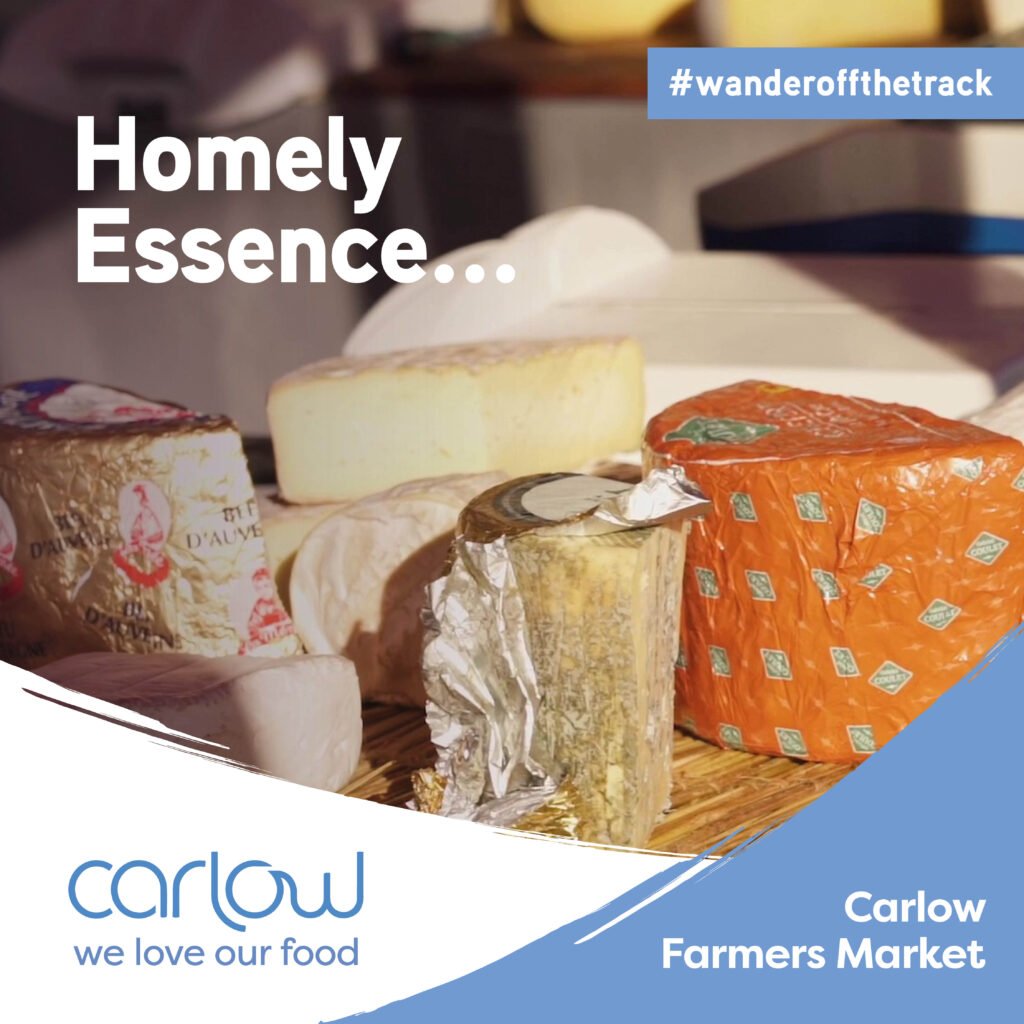
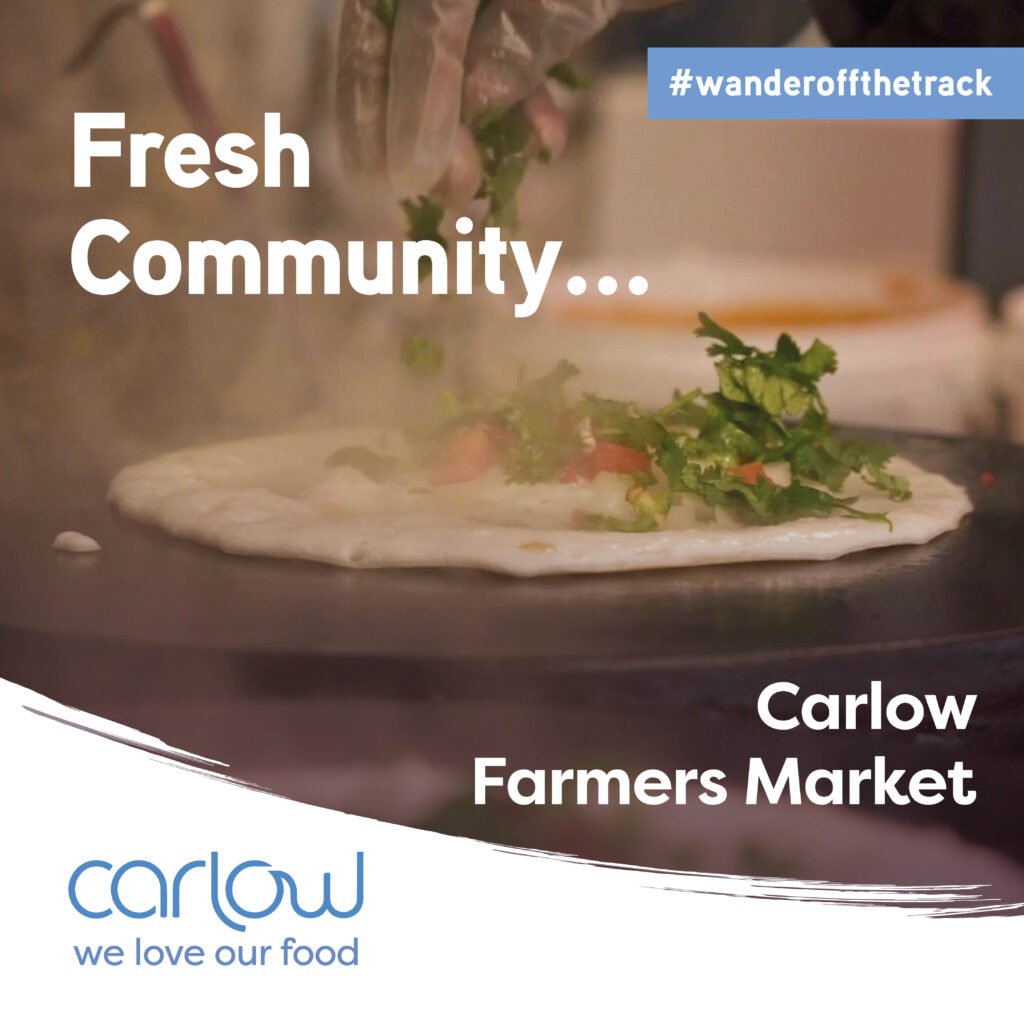
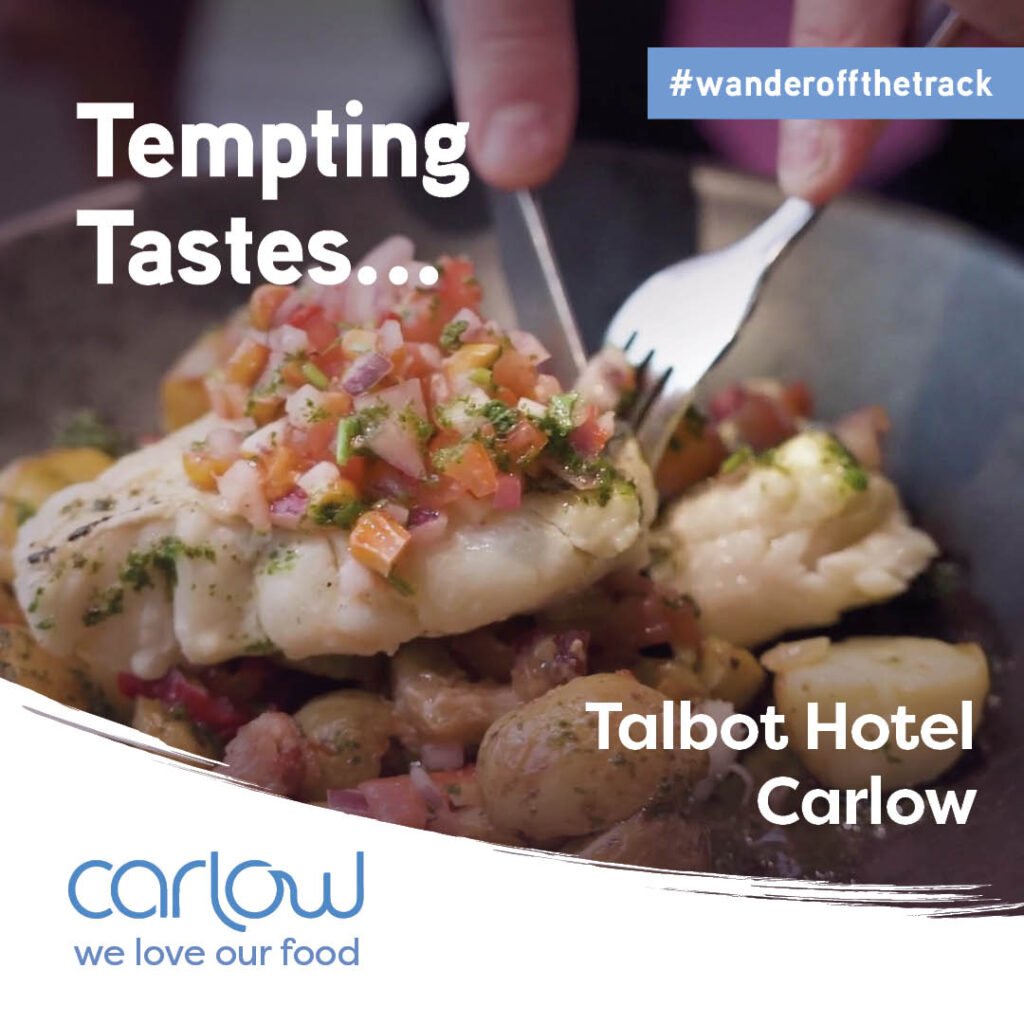
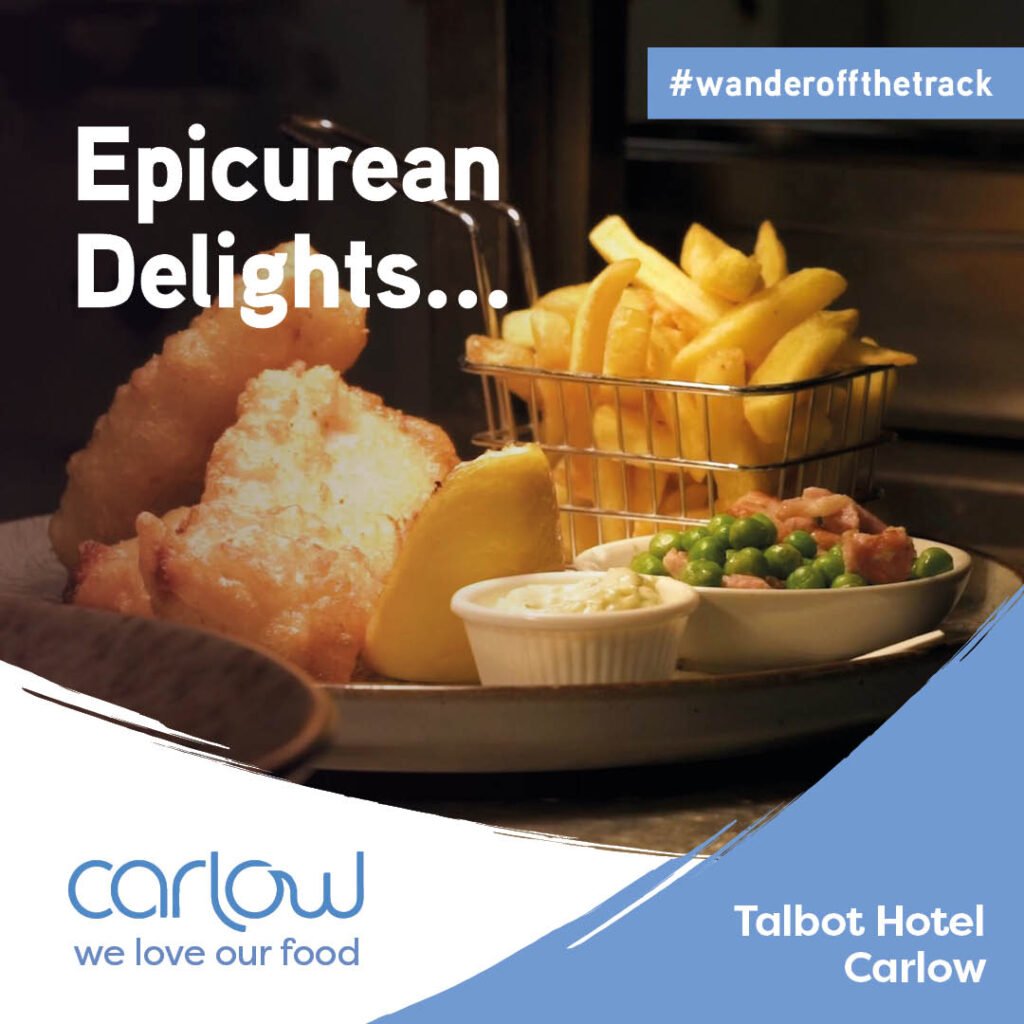
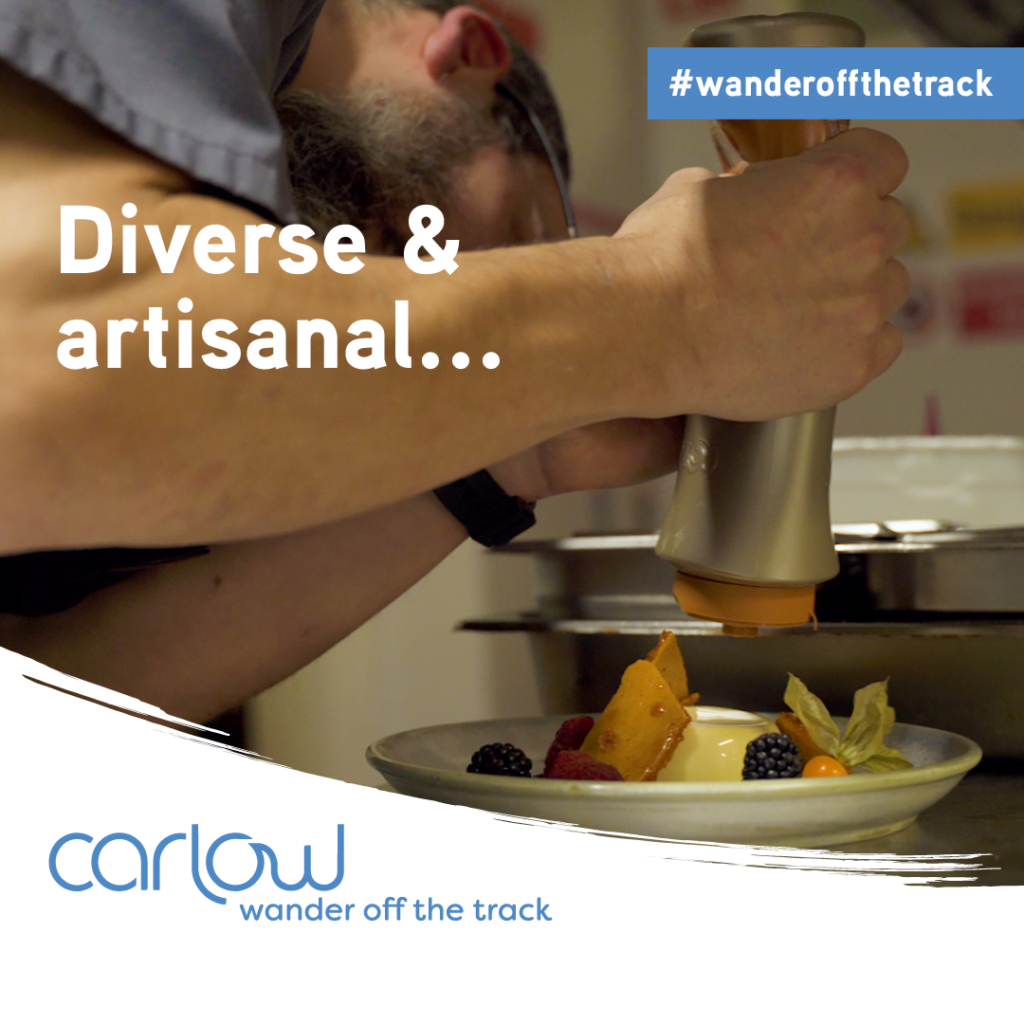
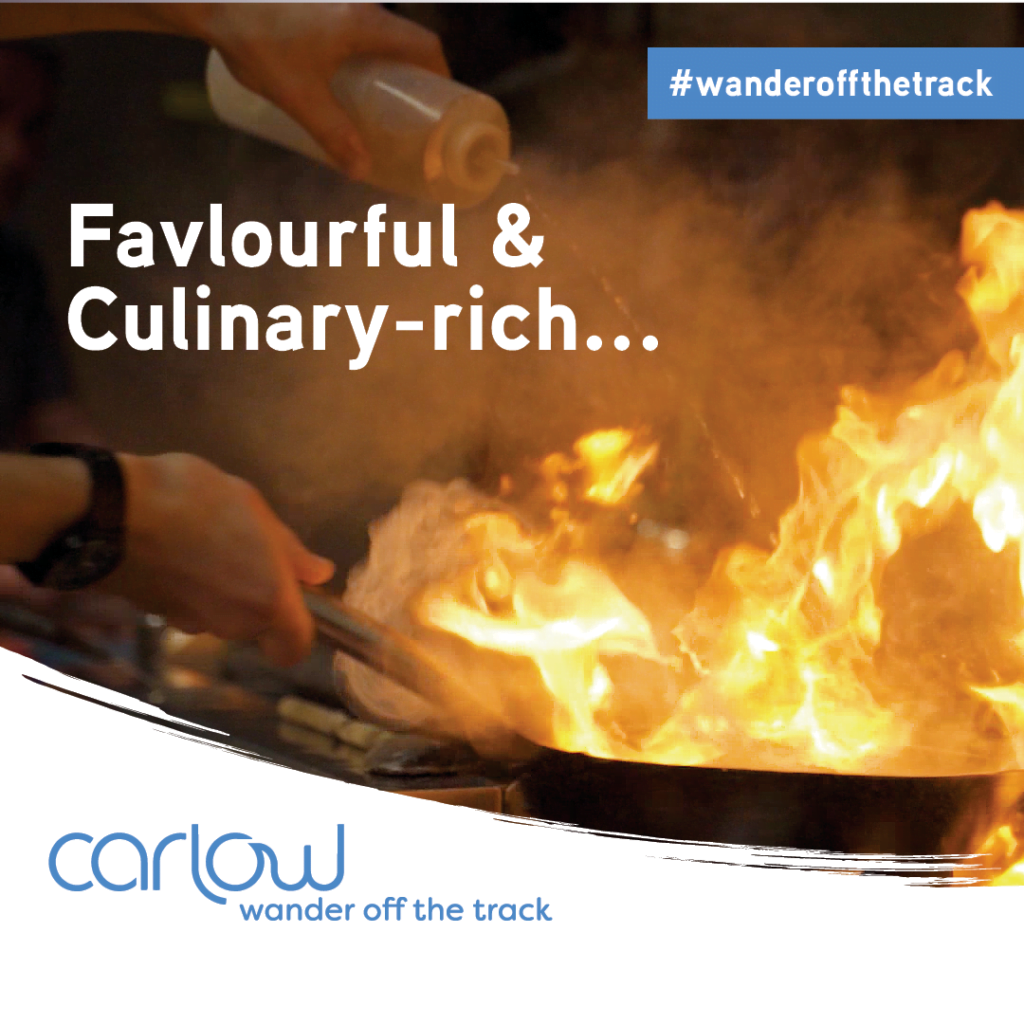
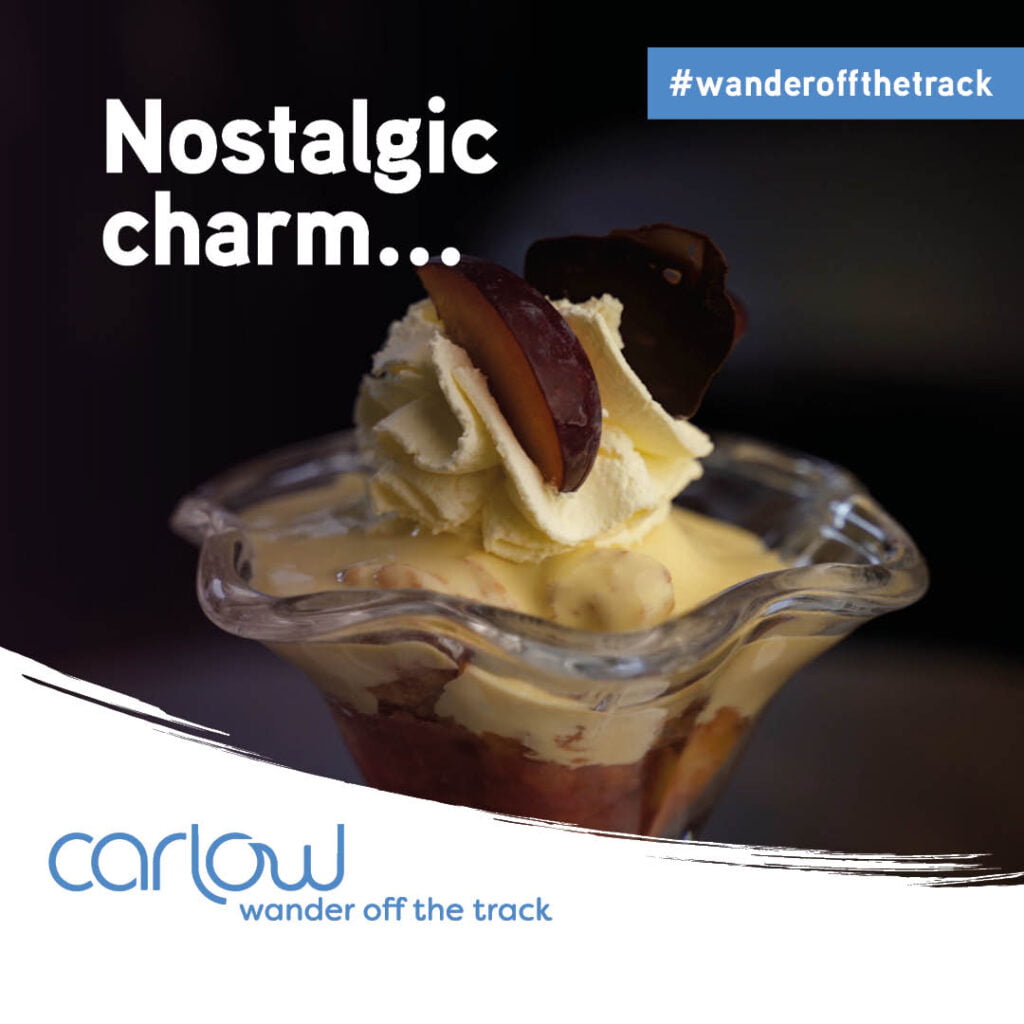
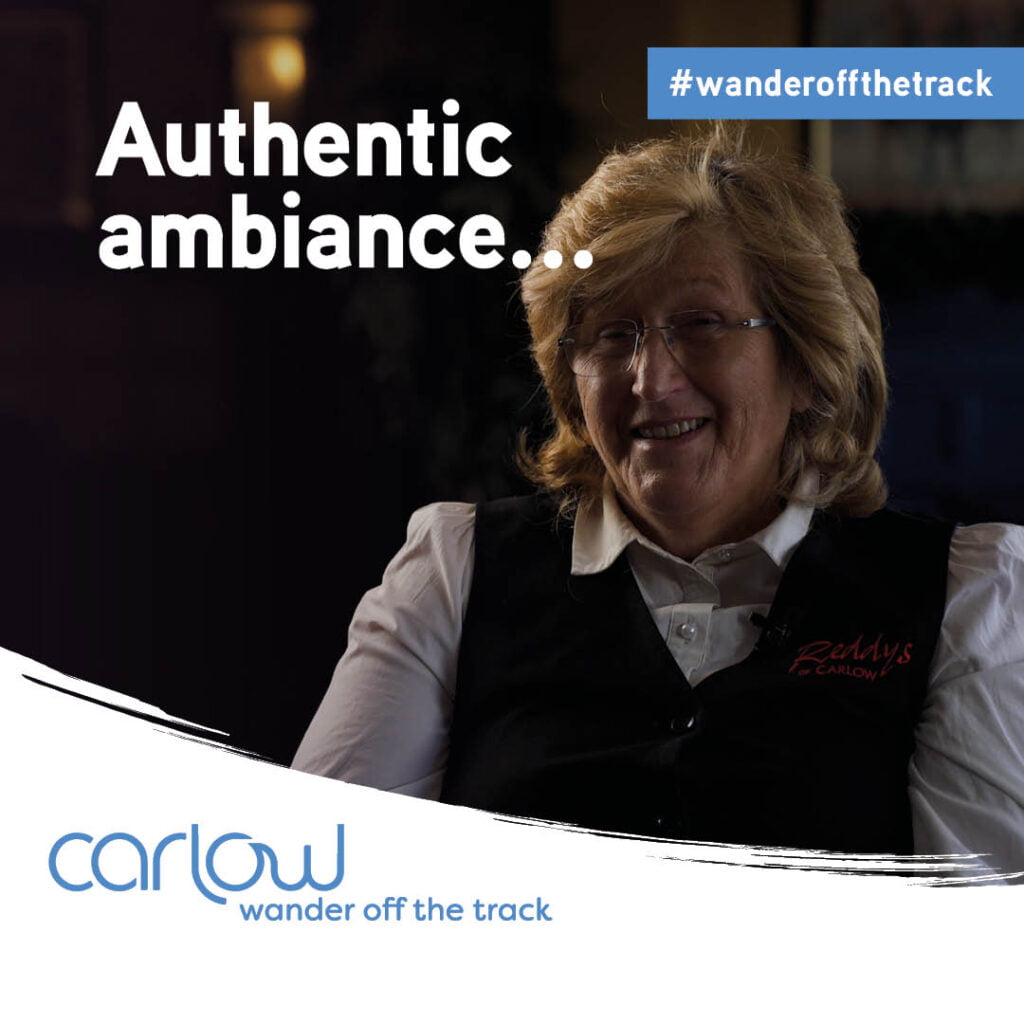
Throughout the campaign, Carlow CLG and Southern Advertising meticulously planned all social content and allocated advertising spend across different messages and platforms. Southern were responsible for placing, managing, and monitoring both native and advertising content. The campaign was promoted using the hashtag #wanderoffthetrack to engage with businesses and the public.
Southern Advertising managed social advertising campaigns across Facebook, Instagram, and Twitter. The primary objective was to drive link clicks, video views, reach, and engagement.
Furthermore, Southern Advertising executed a detailed schedule for native content on Facebook, Instagram, and Twitter. This native content covered a range of messages and initiatives, including the promotion of prize experiences, offerings from participating providers, and themed itineraries in partnership with influencers.
Advertising Output
Social and Digital Strategy: The advertising campaign started with the development of a cross- channel social and digital strategy. This strategy outlines objectives, target audiences, and planned initiatives for the campaign.
Detailed Campaign Schedule: A detailed day-by-day campaign schedule was created, specifying activities such as social and digital advertising, native content, and influencer marketing. This schedule served as a roadmap for executing the campaign.
Social Content Planning: The campaign involved planning all social content, including messaging and creative elements. It included allocating advertising spend across different messages and platforms.
Hashtag Usage: The hashtag #wanderoffthetrack is used as a promotional tool to engage with businesses and the public, creating a consistent brand presence and encouraging user engagement.
Social Media Advertising: Social advertising was a core component of the campaign. It involved creating, managing, and monitoring paid advertisements on platforms such as Facebook, Instagram, and Twitter. The aim is to generate link clicks, video views, reach, and engagement.
Native Content and PR: Native content, including articles, videos, and other forms of content, was planned and released on social media platforms (Facebook, Instagram, and Twitter). This content covered various messages and initiatives, such as promoting prize experiences, offerings from participating providers, and themed itineraries. Public relations efforts also played a role in disseminating information.
Influencer Marketing: Paid influencers were engaged as part of the campaign. They conducted promotional activities and share content across their social channels. Influencers helped target specific audiences and generate authentic awareness about Carlow as a tourism destination.
Digital Campaign: The campaign extended to digital channels, including Google Search, Display Advertising, and Email Marketing. These digital efforts aimed to drive website traffic, promote competitions, and showcase offers from stakeholders.
Radio Campaign: Radio advertising was part of the strategy, with two 30-second adverts produced and broadcast on national radio stations. This targeted an adult audience and aimed to maximise the reach and impact of the campaign.
Competitions: Multiple social media competitions were created and managed. Prizes provided by Carlow Tourism, such as family day passes, accommodation breaks, and restaurant meals, were offered to engage the audience and generate interest in Carlow as a tourist destination.
Approach & Methodology
Our approach to fulfilling the Carlow Tourism Marketing Campaign brief was built upon a strategic and comprehensive methodology that prioritised effective communication, engagement, and awareness building.
1. Research and Understanding: We began by conducting in-depth research to understand the unique attributes of Carlow as a tourist destination, its target audience, and the competitive landscape. This research informed our strategy.
2. Strategic Messaging: Our strategy revolved around the “wander off the track” brand, focusing on Carlow’s less-discovered, authentic, and captivating offerings. We crafted compelling messaging that resonated with the target audience.
3. Targeted Audience Segmentation: We utilised Fáilte Ireland’s domestic market segmentation toolkit to identify and target key domestic market segments, including Empty Nesters, Pre-Teen Families, and Unconstrained Adults, tailoring our content to their preferences and behaviours.
4. Multi-Channel Campaign: To maximise visibility, we implemented a multi-channel approach, encompassing social media (Facebook, Instagram, Twitter), digital marketing (Google Search, Display Advertising, E-Marketing), and traditional radio advertising.
5. Engaging Content: We developed a rich content mix, including native articles, videos, and influencer collaborations, showcasing Carlow’s heritage, natural beauty, outdoor adventures, and authentic experiences.
6. Social Advertising: Our team strategically created, managed, and monitored social advertising campaigns across Facebook, Instagram, and Twitter, with a focus on generating link clicks, video views, reach, and engagement.
7. Influencer Partnerships: We engaged with carefully selected influencers to create authentic, personal content that resonated with our target audience, allowing them to experience and share the magic of Carlow.
8. PR and Competitions: We created and managed social media competitions, ensuring GDPR compliance, and incorporated PR efforts to enhance brand visibility.
9. Continuous Monitoring: Throughout the campaign, we continuously monitored key performance indicators (KPIs) and gathered insights to make data-driven adjustments for optimisation.
10. Reporting and Transparency: Our commitment to transparency included providing comprehensive reports on campaign performance, demonstrating ROI, and offering insights for future strategies.
11. Compliance: We ensured that all activities adhered to GDPR regulations, respecting data privacy and consent.
Management Systems
During the Carlow Tourism Marketing Campaign, a robust set of management systems was implemented to ensure efficient execution and monitoring of the campaign’s various components
1. Project Management: A dedicated project management team oversaw all campaign activities. They utilised project management software to plan, assign tasks, set deadlines, and track progress.
2. Content Calendar: A detailed content calendar was maintained to schedule social media posts, native content releases, influencer collaborations, and PR efforts.
3. Budget Management: A comprehensive budgeting system allocated resources efficiently, tracking expenses across different campaign elements.
4. Performance Analytics: Robust analytics tools monitored campaign performance in real-time, tracking key performance indicators (KPIs).
5. Influencer Management: Influencer partnerships were managed through a dedicated platform, facilitating communication, content approval, and tracking.
6. Compliance and Data Protection: A data protection officer oversaw GDPR compliance, ensuring data handling adhered to legal requirements.
7. Reporting and Transparency: Comprehensive reporting tools generated regular performance reports, providing insights and demonstrating ROI.
8. Crisis Management: A crisis management plan addressed unexpected challenges or negative publicity promptly, including response protocols.
9. Communication Channels: Effective communication channels were established for internal team coordination and external stakeholder engagement.
10. Stakeholder Collaboration: Collaborative tools ensured effective communication and alignment with Carlow Tourism stakeholders.
These management systems collectively ensured the Carlow Tourism Marketing Campaign ran smoothly, adhered to timelines, and achieved its objectives
Key Performance Indicators
as of 2023
| Website Traffic | Tracking media mentions articles, and PR coverage helped evaluate brand visibility and media outreach, assessing the campaign’s impact on Carlow’s reputation. |
| Social Engagements | Social media engagement metrics were crucial. We examined likes, shares, comments, and overall engagement rates on platforms like Facebook, Instagram, and Twitter. High engagement demonstrated effective audience interaction and content resonance. |
| Link Clicks | Measuring the number of clicks on campaign-related links provided insights into user interest and the effectiveness of our call-to-action strategies. Higher click-through rates indicated successful engagement. |
| Video Views | Video content was a vital component. Tracking the number of video views on platforms like YouTube and social media helped gauge the reach and appeal of our visual storytelling. |
| Competition Participation | The number of entries in our social media competitions served as a direct KPI for engagement and audience participation. Increased entries reflected heightened interest and interaction. |
| Newsletter Signups | Monitoring the growth of the newsletter subscriber list was essential for ongoing engagement. A higher number of sign-ups indicated an expanding audience interested in Carlow’s updates. |
| Influencer Impact | Evaluating the reach and engagement driven by influencers was critical. We assessed metrics such as influencer post reach, likes, and comments to measure their effectiveness. |
| Return on Investment | ROI was a key financial KPI, quantifying the campaign’s profitability. It compared campaign costs to the revenue generated by increased tourism activities, including bed nights and attraction visits. |
| Public Relations Coverage | Tracking media mentions, articles and PR coverage helped evaluate brand visibility and media outreach, assessing the campaign’s impact on Carlow’s reputation. |
| Social Following | Monitoring the growth of social media followers and newsletter subscribers indicated the campaign’s ability to build a lasting and engaged audience. |
These KPIs provided a comprehensive view of the campaign’s performance, demonstrating its effectiveness in increasing awareness, engagement, and tourism-related activities in Carlow.
Campaign Results